☰

🛕 Lord Shiva | 📍 Ponsei, Mayiladuthurai, Tamil Nadu
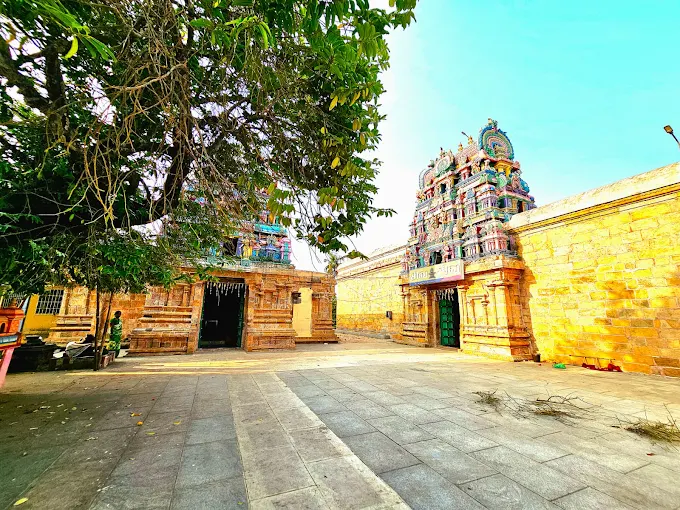
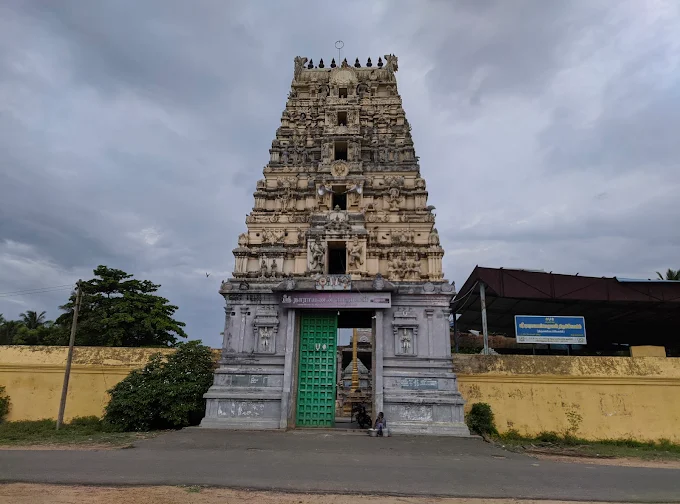
Ponsei Natrunaiyappar Temple, traditionally known as Thirunanipalli, is one of the important ancient Shiva temples of the Cauvery delta region in Tamil Nadu. Located in present-day Mayiladuthurai district, the temple is a Paadal Petra Sthalam and forms part of the sacred network of Shiva temples praised in the Tevaram hymns. The presiding deity is Lord Shiva as Natrunaiyappar, a name expressing Shiva as the divine companion, protector and dependable support of devotees. The goddess is worshipped as Malaiyan Madanthai and Parvatha Putthiri.
The temple has an exceptional place in Tamil Shaiva devotional literature because hymns connected with Thirunanipalli are attributed to all three of the principal Tevaram saints—Tirugnanasambandar, Tirunavukkarasar (Appar) and Sundarar. This makes the temple particularly significant for pilgrims following the Paadal Petra Sthalam tradition. The surviving devotional verses preserve the ancient sacred identity of Nanipalli and describe the shrine as a place surrounded by fertile landscapes, groves and agricultural fields.
One of the most important traditions associated with the temple concerns Tirugnanasambandar and his mother Bhagavathiyar. Local temple tradition states that Bhagavathiyar was born in Thirunanipalli. When the young Sambandar came to visit the place, he travelled from Sirkazhi with his father Sivapada Hridayar. The sacred history of the temple remembers Sambandar's connection with the site and his devotional hymn. This tradition forms an important part of the temple's connection with the Nayanmar pilgrimage circuit.
Another important tradition explains the name Ponsei. According to the sthala purana, Vinayaka once took the form of a crow and accidentally overturned Sage Agastya's kamandalu. Agastya became angry and cursed the crow. The crow subsequently worshipped Shiva at this sacred site and is said to have regained its divine form after bathing in the temple's sacred water. The place therefore became associated with the idea of something becoming golden, traditionally explained through the Tamil words "pon" and "sei." This is a temple legend and should be presented as traditional belief rather than archaeological history.
The temple has another distinctive connection with Sage Agastya. Traditional accounts state that Agastya worshipped Shiva here, and the temple's sacred history associates the shrine with his worship. The temple tank is known as Sorna Theertham, adding to the sacred-water traditions of the site. The Sthala Purana sources also identify the sacred trees with Champak and Punnai.
The architectural importance of Ponsei Natrunaiyappar Temple is also considerable. The present temple is associated with the Chola architectural tradition, and descriptions highlight its large sanctum and finely carved mandapas. Traditional historical accounts attribute the stone reconstruction to Parantaka Chola I, although the exact chronology of the surviving structure should be treated carefully because the sacred site is older than the present masonry building.
A particularly interesting feature is the temple's large sanctum sanctorum. Local historical descriptions state that the sanctum is unusually spacious, traditionally said to have been large enough for an elephant to enter. This architectural feature is frequently highlighted in descriptions of the temple and contributes to its identity within the Chola-period temple landscape.
The temple also has an important solar-worship tradition. According to temple information, sunlight falls directly upon the Shiva Lingam during Chithirai 7–13, and special worship is performed during this period. This annual solar phenomenon is one of the temple's distinctive pilgrimage attractions and demonstrates the traditional relationship between temple orientation, sacred architecture and the movement of the sun.
Ponsei Natrunaiyappar Temple, or the ancient Thirunanipalli shrine, belongs to the historic Shaiva temple landscape of the Cauvery delta. Its sacred identity is preserved particularly strongly through the Tevaram hymns. Tirugnanasambandar, Appar and Sundarar are all associated with hymns in praise of Natrunaiyappar at Thirunanipalli, making the shrine one of the important Paadal Petra Sthalams of Tamil Shaivism.
The existence of the shrine as a sacred place therefore goes back at least to the period of the Nayanmar devotional movement, although the precise date of the first temple structure cannot be established solely from the modern tourism sources. The present masonry complex is associated with the Chola architectural tradition. Some historical accounts attribute the stone reconstruction or development of the temple to Parantaka Chola I, who ruled from 907 to 950 CE. Other descriptions broadly identify the surviving temple with the Chola period. This should be recorded as historical attribution rather than as an absolutely established construction date.
The Chola period was a major era of temple construction and institutional development in the Cauvery delta. Ponsei, then known by its sacred name Thirunanipalli, formed part of this wider network of Shaiva settlements and temples. The temple's surviving architecture, large sanctum and sculptural work reflect the artistic traditions that developed in the Chola region. Local historical descriptions also mention inscriptions and Chola associations connected with the temple.
The religious history of the temple is inseparable from the Nayanmars. Tirugnanasambandar's hymn is especially important to the sacred identity of Thirunanipalli, while Appar and Sundarar also praised the shrine. The Tevaram verses describe Natrunaiyappar as the divine support of devotees and preserve the ancient name Nanipalli. The temple thus survives not only as a physical monument but also through one of the most important bodies of Tamil devotional literature.
Local tradition connects the temple with Bhagavathiyar, the mother of Tirugnanasambandar. The sacred history states that she was born at Thirunanipalli and that Sambandar later visited the place. The temple's connection with Sambandar is therefore understood both through literature and through local sacred tradition.
Another important story concerns Sage Agastya and Vinayaka. According to the Sthala Purana, Vinayaka appeared in the form of a crow and overturned Agastya's water pot. After receiving a curse, the crow worshipped Shiva at Thirunanipalli and obtained relief from the curse. This tradition is used to explain the name Ponsei. Because this account belongs to the religious mythology of the temple, it should be clearly distinguished from documented architectural history.
The temple also preserves an important architectural feature in its large sanctum. Traditional descriptions emphasize the unusual scale of the sanctum and its ability, according to local belief, to accommodate an elephant. The mandapas and sculptural elements are also noted for their craftsmanship. These features contribute to the temple's importance within the Chola-period architectural landscape of the Mayiladuthurai region.
The sacred landscape of the temple includes Sorna Theertham and the traditional sacred trees Champak and Punnai. The temple continues to preserve these elements of its ritual identity.
A notable annual tradition is associated with the Sun. Temple information records that the rays of the Sun fall upon the Shiva Lingam from Chithirai 7 to 13, during which special solar worship is performed. This feature is particularly interesting for visitors studying the relationship between South Indian temple architecture and solar movement.
The temple's annual Chithirai festival is another important part of its living tradition. Other Shiva-related observances, including Pradosham, Thiruvathirai, Tirukarthikai and Mahashivratri, are also associated with the temple's ritual calendar.
Today, Ponsei Natrunaiyappar Temple remains a living Shaiva shrine in the Mayiladuthurai region. Its historical value comes from the combination of an ancient Tevaram tradition, the literary heritage of the three Nayanmars, Chola-period architectural character, local Sthala Puranas and continuing worship. It is therefore particularly valuable for pilgrims undertaking the Paadal Petra Sthalam circuit and for travellers exploring the sacred heritage of the Cauvery delta.
No daily poojas available.
No special rituals available currently.
No festivals available.
📍 2.80 km away
📍 3.33 km away

📍 3.43 km away

📍 3.54 km away

📍 4.07 km away
📍 5.17 km away
Stays near Natrunaiyappar Temple, Ponsei

📍 Near Kurinji Andavar Temple · 267.1 km
stayStarting from ₹2,000 / night
Discover more temples you may be interested in
You may also like these temples