☰
🛕 Lord Vishnu | 📍 Thirucherai, Thanjavur, Tamil Nadu
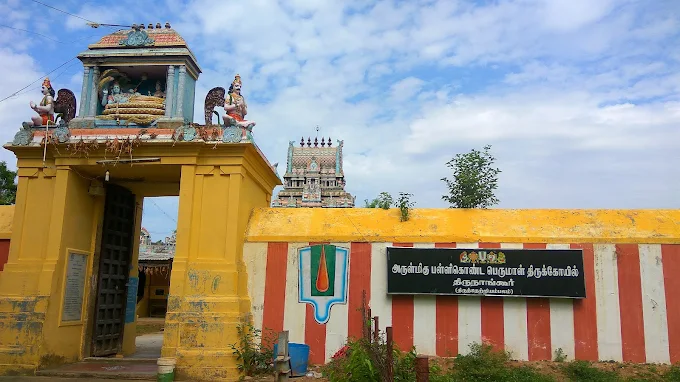
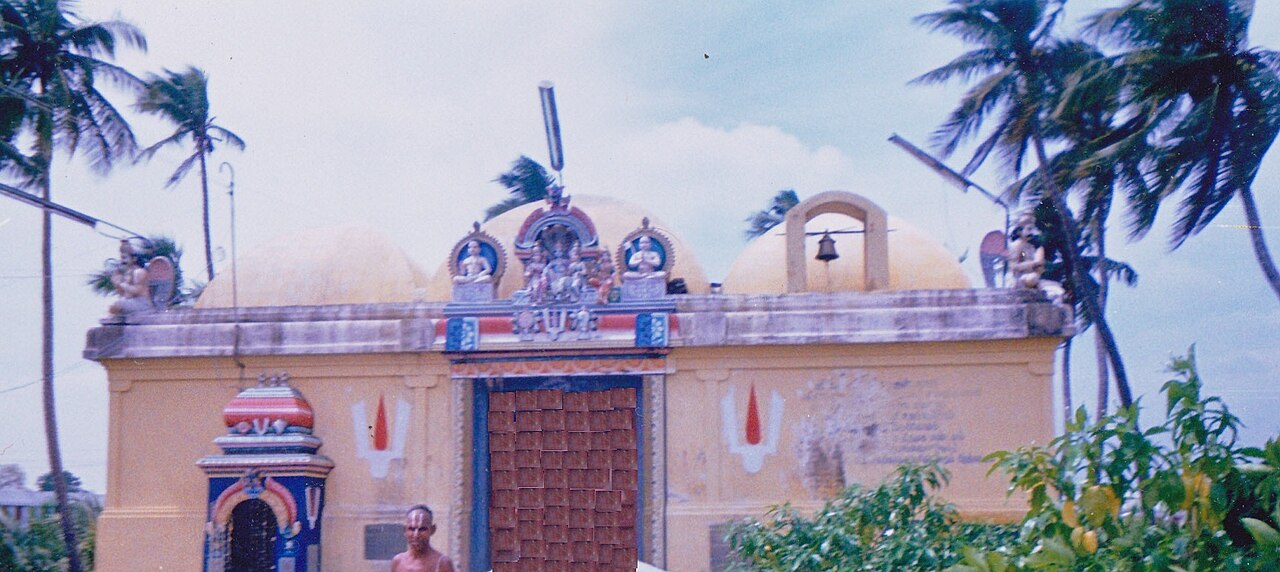
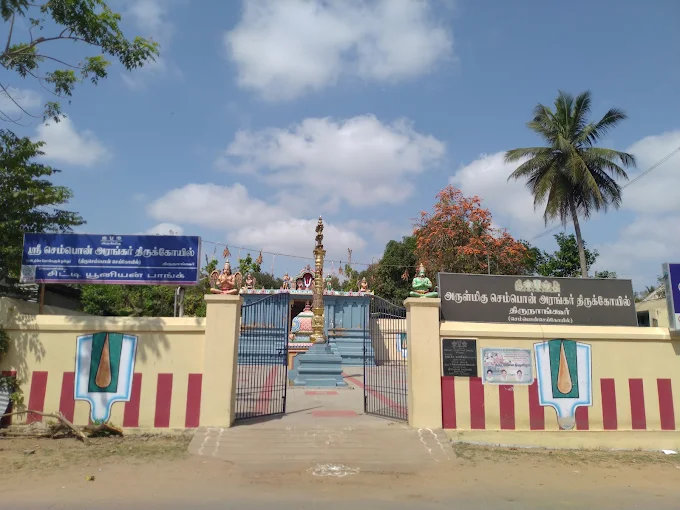
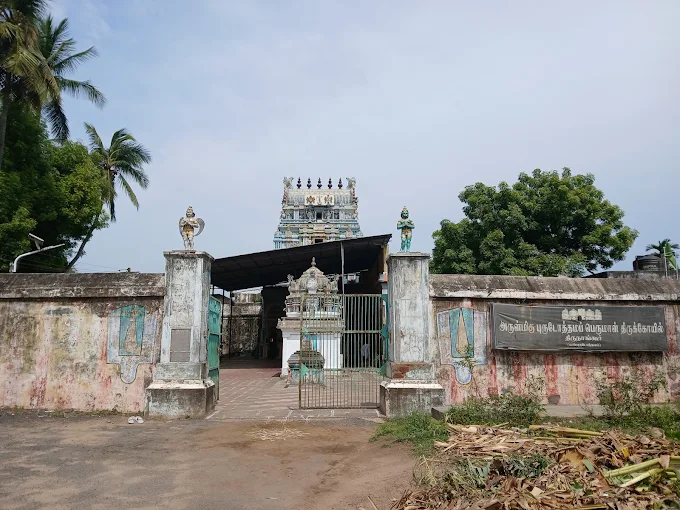
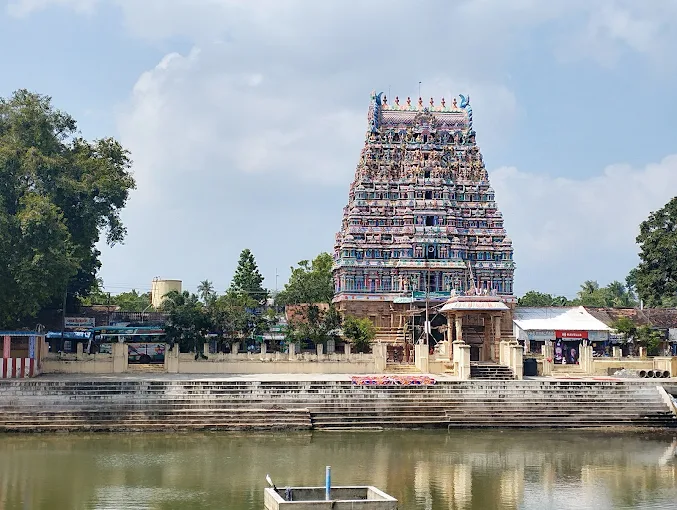
Thirucherai Sri Saranatha Perumal Temple is celebrated as the 15th among the 108 Divya Desams located in the ancient Chola kingdom. Revered by Thirumangai Alvar with 13 devotional pasurams in the Nalayira Divya Prabandham, the temple holds a peerless stature in Sri Vaishnavite theology as a 'Pancha Lakshmi Kshetram'. It is among the rarest Vaishnavite sanctums where the supreme deity, Lord Vishnu, presides in a standing posture (Nindra Kolam) facing east alongside five divine consorts: Sridevi, Bhudevi, Neeladevi, Mahalakshmi, and Sara Nayaki (Saranayaki). According to the Sthala Purana, during the cosmic deluge (Pralaya), Lord Brahma was directed to preserve the sacred Vedas, divine tools, and seeds of creation in a sanctified mud pot. Earth gathered from across the cosmos failed to hold integrity, until Brahma discovered the fertile and potent earth ('Saram') of this sacred territory. Fashioned from this soil, the pot survived the deluge intact, giving the town the name 'Sara Kshetram' (which evolved linguistically into Thirucharam and Thirucherai) and the Lord the epithet 'Saranatha Perumal'. The temple is equally acclaimed for conferring equal sanctity upon Mother Kaveri. When River Kaveri performed rigorous penance to attain spiritual parity with River Ganga, the Lord appeared as an infant playing upon her lap and later unveiled His glorious cosmic form with His consorts, granting her a permanent place of honour to His left within the Garbhagriha. The temple embodies the quintessence of 'Pancha Saram'—Sara Kshetram (holy land), Sara Pushkarini (sacred tank), Sara Vimanam (tower over sanctum), Saranatha Perumal (Lord), and Saranayaki Thayar (Goddess).
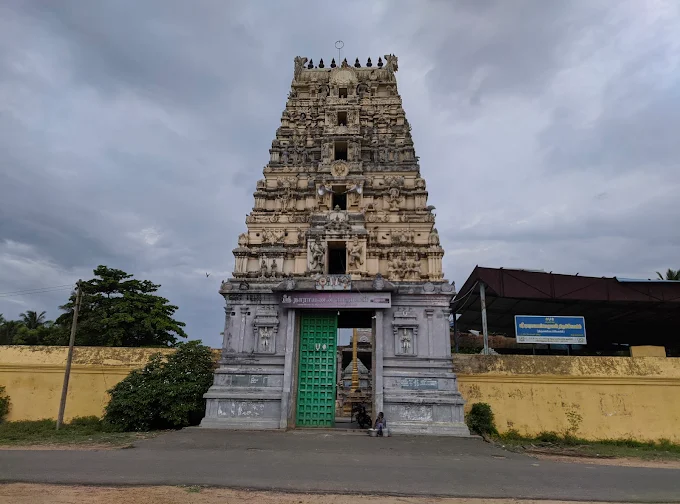
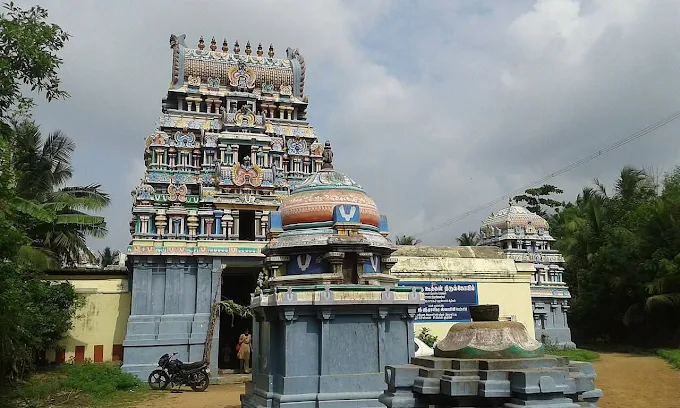
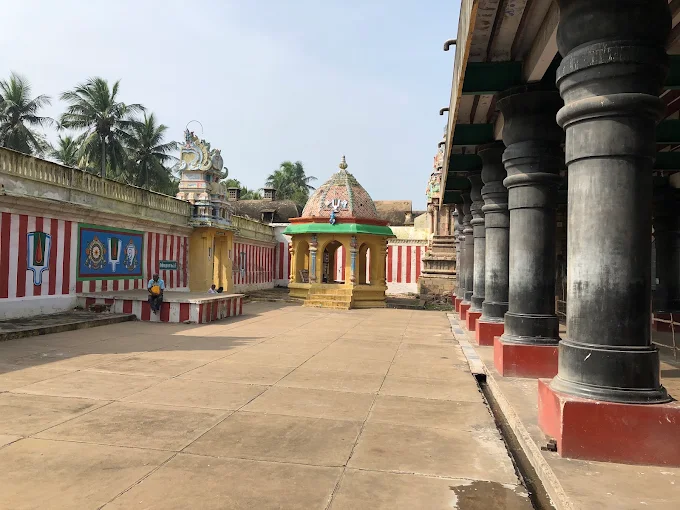
Historically, Thirucherai Saranatha Perumal Temple possesses an antiquity extending well beyond a millennium. Its prominence as a thriving Vaishnavite pilgrimage centre is attested by the 8th-century devotional verses of Thirumangai Alvar. While the core spiritual origins are rooted in early tradition, the monumental stone architectural framework visible today developed predominantly under the Medieval Cholas, who enriched temples across the fertile Kaveri delta. Subsequent structural patronages and embellishments were contributed under the Vijayanagara Empire and the Nayaks of Thanjavur between the 15th and 17th centuries. A celebrated historical legend connected with the temple involves King Azhagiya Manavala Naicker (associated with the Thanjavur Nayak dynasty) and his minister, Narasa Bhupalan. The monarch had undertaken the grand construction of the Rajagopalaswamy Temple at Mannargudi and commissioned Narasa Bhupalan to procure and transport prime granite stones from distant quarries. Narasa Bhupalan, an ardent devotee of Saranatha Perumal, harboured a deep longing to reconstruct the aging shrine at Thirucherai. He systematically instructed the bullock-cart drivers transporting granite to offload a single stone block at Thirucherai from each passing wagon. Royal informants alerted the king of this diverted masonry, causing the enraged king to travel to Thirucherai to penalize the minister. Narasa Bhupalan surrendered completely before Lord Saranatha. When the king arrived at the inner precinct, the Lord miraculously revealed Himself as Mannargudi Rajagopalaswamy flanked by Rukmini and Satyabhama. Overwhelmed with devotional ecstasy and recognizing divine intervention, the monarch abandoned his wrath, pardoned the minister, and officially sanctioned state funds to complete the Thirucherai temple. In commemoration of this divine episode, a dedicated shrine for Sri Rajagopalan was established within the temple courtyard. The temple layout comprises a commanding 90-foot tall, 5-tiered Rajagopuram facing east, granite circumambulatory courtyards (prakarams), an elevated sanctum reached via a flight of stone steps, and subsidiary shrines dedicated to Saranayaki Thayar, Yoga Narasimhar, Sri Rama, and the Azhwars.
Devotional belief holds that seeking refuge at the feet of Saranathan provides inner security, solace during acute life crises, and leads to ultimate spiritual liberation.
Because the Lord manifests alongside five consorts (Pancha Lakshmi), tradition teaches that worship here invokes all-round material prosperity, financial relief, and business growth.
Pilgrims traditionally offer prayers to Sara Nayaki Thayar first to resolve marriage delays and ensure lasting harmony and mutual understanding in married life.
According to traditional lore, taking a holy dip in Sara Pushkarini carries spiritual merit equivalent to bathing in sacred waters across India, washing away accumulated negative karma.
Lord Vishnu appeared as a child upon Mother Kaveri's lap in this holy sthalam; hence, couples praying for virtuous offspring and the well-being of children revere this deity.
A magnificent annual event during the Tamil month of Thai (Jan-Feb) where Lord Saranathan processes in a towering wooden chariot along with His five consorts, celebrating His grace upon River Kaveri.
Sacred ceremonial bathing performed with milk, curd, honey, sandalwood, and holy water for the processional deity on specified Ekadasi and asterism days.
Observed during Margazhi (Dec-Jan) with early-morning ceremonial processions of Perumal through the gateway to heaven accompanied by recitations of Thiruvaimozhi.
Sacred ritual immersion of the processional deity and the Astra Raja (Chakrathazhwar) in the sacred Sara Pushkarini with holy dip offerings by assembly of pilgrims.
No festivals available.

📍 0.27 km away

📍 1.95 km away
📍 3.55 km away
📍 4.21 km away

📍 4.35 km away

📍 5.05 km away
Stays near Thirucherai Saranatha Perumal Temple

📍 Near Kurinji Andavar Temple · 226.2 km
stayStarting from ₹2,000 / night
Discover more temples you may be interested in
You may also like these temples