☰
🛕 Lord Vishnu | 📍 Nathan Koil, Thanjavur, Tamil Nadu
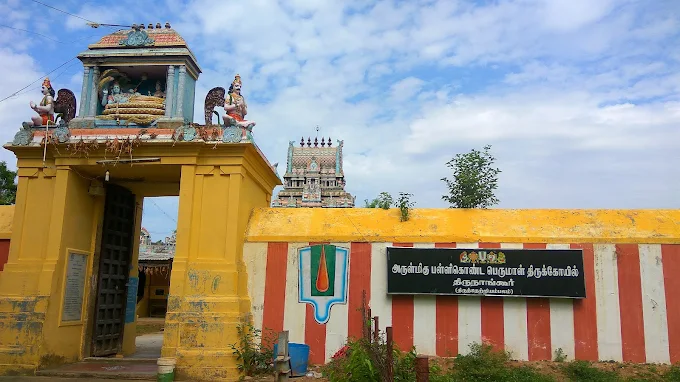
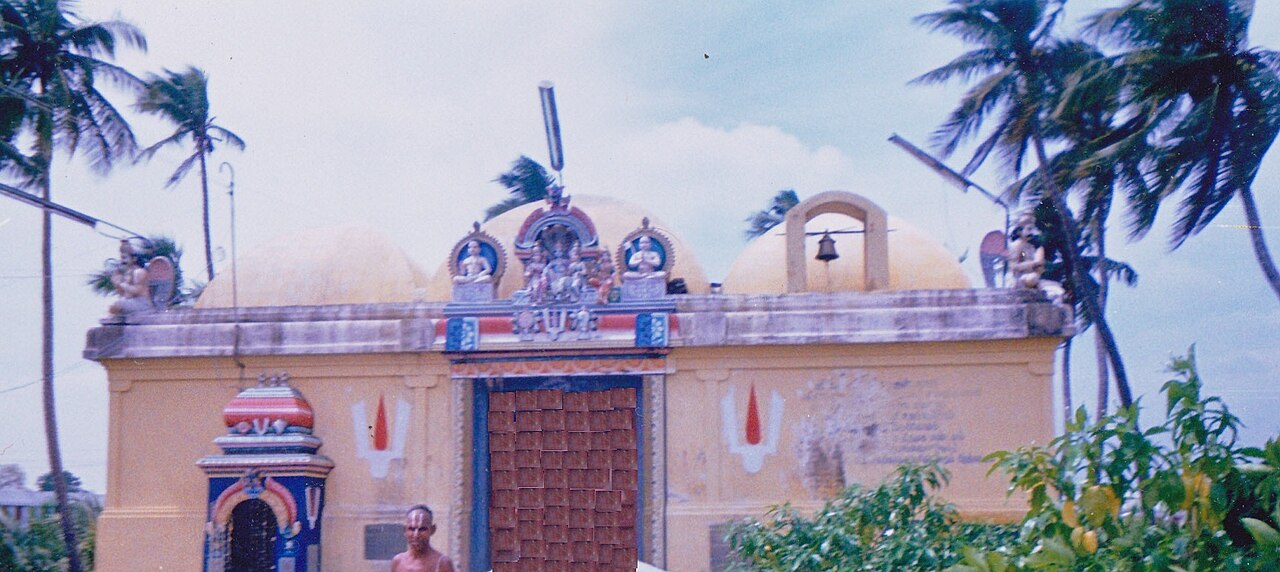
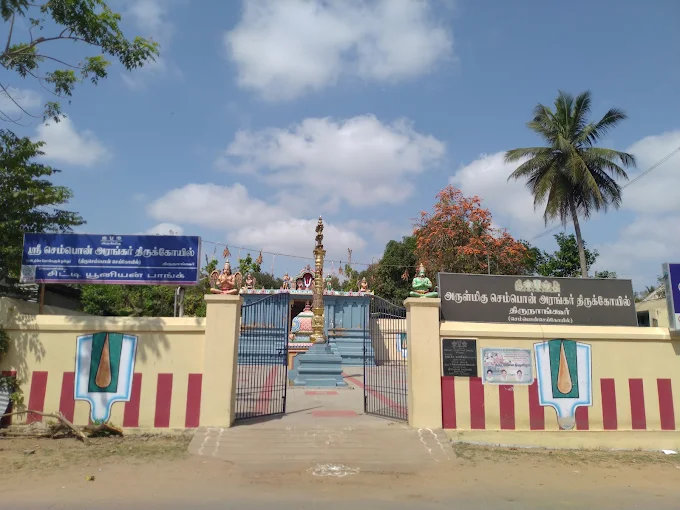
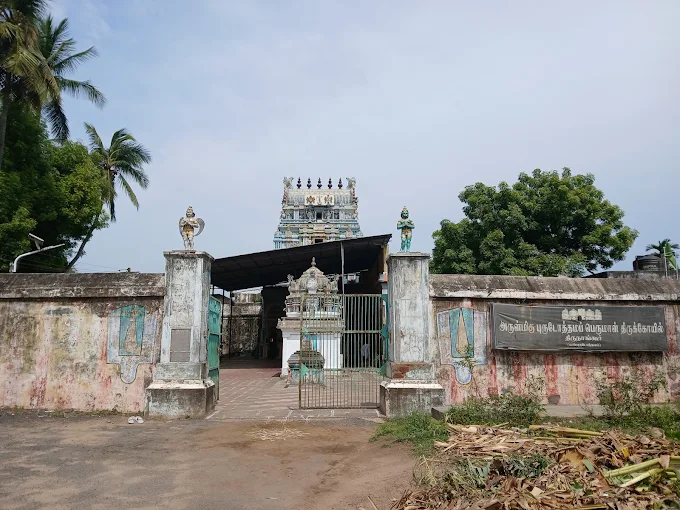
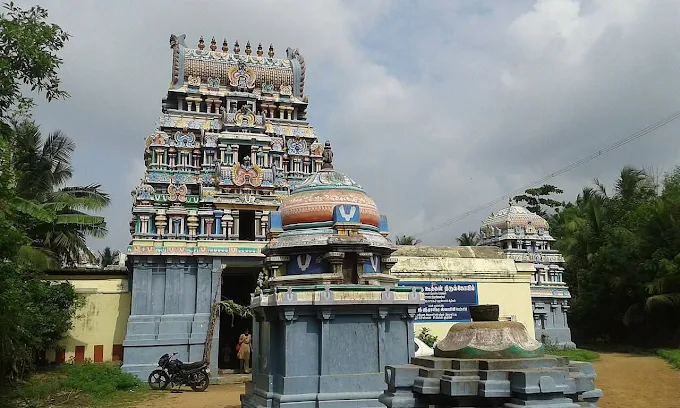
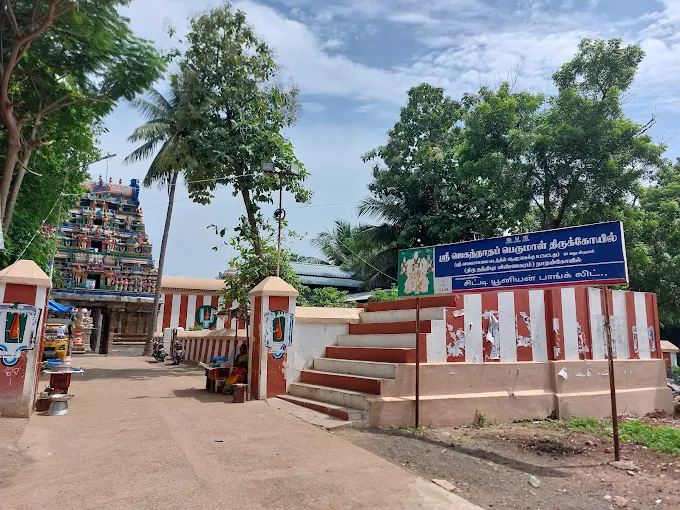
Thiru Nandipura Vinnagaram, widely known as Nathan Kovil, is one of the 108 sacred Divya Desams revered in Sri Vaishnavism, located in the fertile Cauvery delta near Kumbakonam, Tamil Nadu. It is celebrated as the 21st Divya Desam in the Chola Nadu region and is traditionally referred to as 'Dakshina Jagannatham' (the southern Jagannath kshetra), drawing spiritual comparison with the famed Puri Jagannath Temple. The temple is immortalized in the Nalayira Divya Prabandham by the 8th-century saint-poet Thirumangai Alvar, who sang ten pasurams praising the supreme grace of the presiding deity. The primary deity, Sri Jagannatha Perumal (also known as Nathanathan and Vinnagara Perumal), is enshrined in an imposing seated posture facing west under the Mandara Vimanam, flanked by Sridevi and Bhudevi. This westward orientation is considered spiritually unique among Vaishnavite shrines. The divine consort, Goddess Mahalakshmi, is worshipped in a separate shrine as Shenbagavalli Thayar, named after the ancient Shenbagaranyam (champak forest) in which the temple was originally situated. The temple represents a rare convergence of Shaivite and Vaishnavite devotion, deriving its sacred name from Lord Shiva's divine vahana, Nandi, who undertook severe penance here to obtain Lord Vishnu's grace. Furthermore, the kshetra is regarded as an effective Chandra Dosha Parihara Sthalam, where devotees worship the Lord to mitigate malefic planetary influences of the Moon and receive blessings for harmony, prosperity, and spiritual liberation.
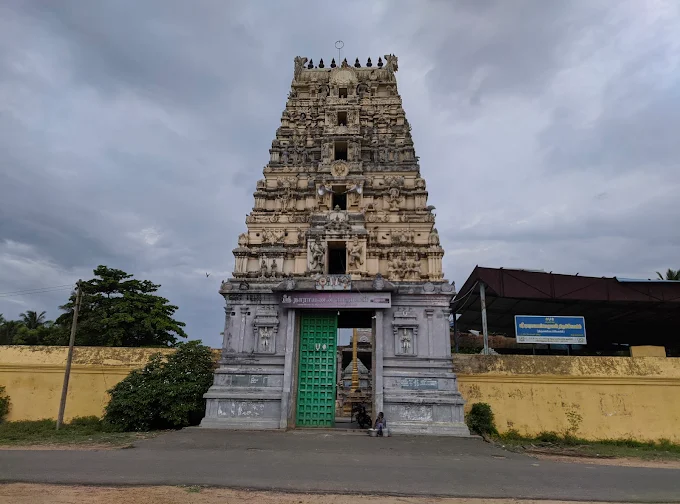
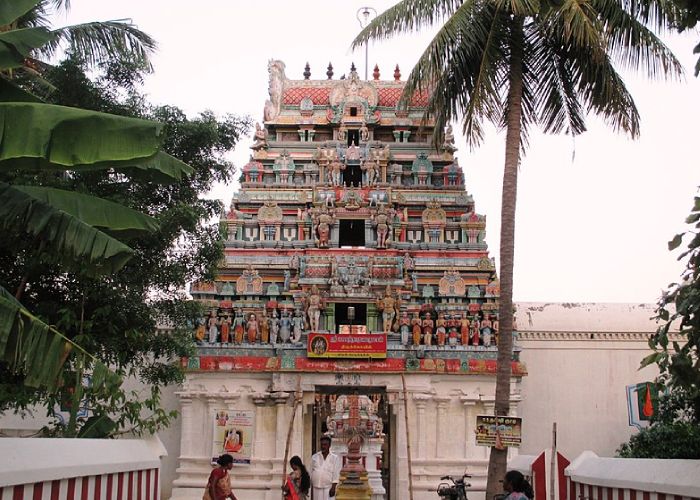
The recorded history and traditional antiquity of Thiru Nandipura Vinnagaram trace back to the early medieval era. Historically and architecturally, the core stone structures and foundational shrine are affiliated with the Pallava dynasty, specifically attributed by epigraphists and historians to the reign of Pallava monarch Nandivarman II Pallavamalla (8th century CE), after whom the settlement of Nandipuram was established and developed. The temple subsequently received extensive patronization and stone renovations during the Medieval Chola empire, followed by structural embellishments by the Vijayanagara rulers and later Nayak chieftains of Thanjavur. The temple complex represents classical Dravidian temple architecture, featuring a compact five-tiered Rajagopuram facing west, a stone-carved dhwajasthambham, and sculptures representing Sanga Nidhi and Padma Nidhi along the sanctum pathway. Administration of the temple has long been managed under the monastic custodianship of the Sri Vanamamalai Mutt (Nanguneri), preserving the Thenkalai tradition of Sri Vaishnava ritual protocols. Traditional lore records two prominent legends associated with the temple: First, Nandi Bhagavan inadvertently bypassed the gatekeepers (Dwarapalakas) Jaya and Vijaya at Vaikuntha, incurring a curse that generated intense bodily heat; upon Shiva's counsel, Nandi atoned by meditating in Shenbagaranyam before Vishnu, who absolved the curse and immortalized Nandi’s devotion by retaining his name in the shrine and allowing an image of Nandi inside the complex. Second, legend associates the site with the mythological Emperor Sibi, who demonstrated supreme righteousness by offering his own flesh on a balance scale to protect a dove from a hawk, prompting Lord Vishnu to turn westward to witness the king's selflessness.
According to traditional Vedic astrological beliefs, worship of Lord Jagannatha Perumal here, particularly on Mondays, helps alleviate afflictions and mental anxieties linked to malefic planetary placements of the Moon.
Devotional belief holds that sincere prayers to Lord Jagannatha and Goddess Shenbagavalli, especially on Shukla Paksha Ashtami days, help resolve misunderstandings and restore harmony between estranged married couples.
Unmarried devotees traditionally offer prayers and engage in the Navasukravara (nine Fridays) archana to Goddess Shenbagavalli Thayar seeking removal of hurdles in marriage proposals.
Reflecting the sthala purana where Nandi Bhagavan was freed from an oppressive curse, devotees pray at this shrine to overcome severe life obstacles, physical ailments, and adverse karma.
Childless couples traditionally perform circumambulation and offer special thirumanjanam prayers to the seated Jagannatha Perumal and Thayar to be blessed with children.
Devotees participate in Sri Suktha aradhana and offerings of green gram naivedyam to Shenbagavalli Thayar during Tamil Aipasi month Fridays to usher in lasting prosperity.
A traditional votive ritual performed for Goddess Shenbagavalli Thayar over nine consecutive Fridays, particularly popular for marriage and financial prosperity.
Special ghee lamp offerings and Sri Suktha chants performed on the waxing eighth lunar day (Ashtami) to seek marital peace and divine grace.
Special Monday archana conducted with white flowers and tulasi for Lord Jagannatha Perumal to alleviate afflictions associated with the Moon.
Sacred ceremonial bathing of the Utsava deities with milk, curd, honey, tender coconut, and sandal paste, organized on birth stars, Ekadasi, and special donor dates.
Grand festival ritual celebrated in Margazhi (December–January) where the Utsavar passes through the gateway of heaven amidst Vedic chanting.
No festivals available.
📍 0.13 km away

📍 1.26 km away

📍 2.88 km away

📍 2.96 km away

📍 3.21 km away

📍 3.41 km away
Stays near Thiru Nandipura Vinnagaram Jagannatha Perumal Temple

📍 Near Kurinji Andavar Temple · 219.3 km
stayStarting from ₹2,000 / night
Discover more temples you may be interested in
You may also like these temples