☰
🛕 Lord Vishnu | 📍 Thiru Indalur, Mayiladuthurai, Tamil Nadu
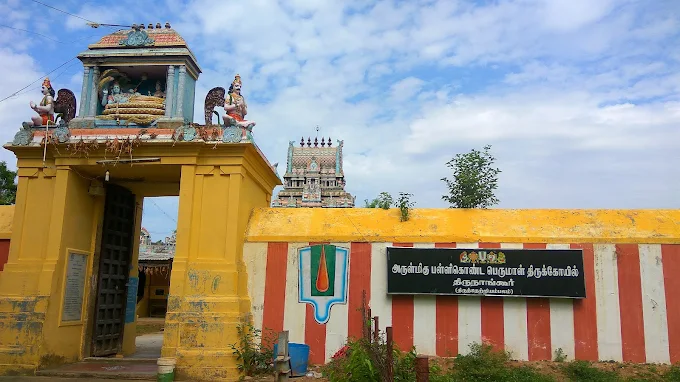
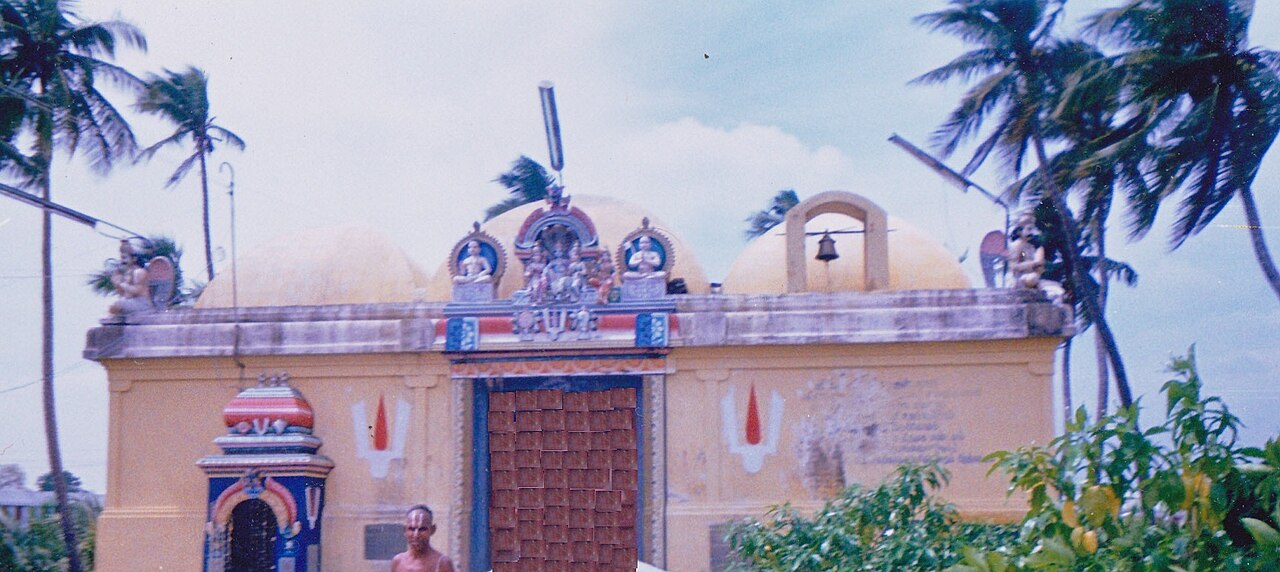
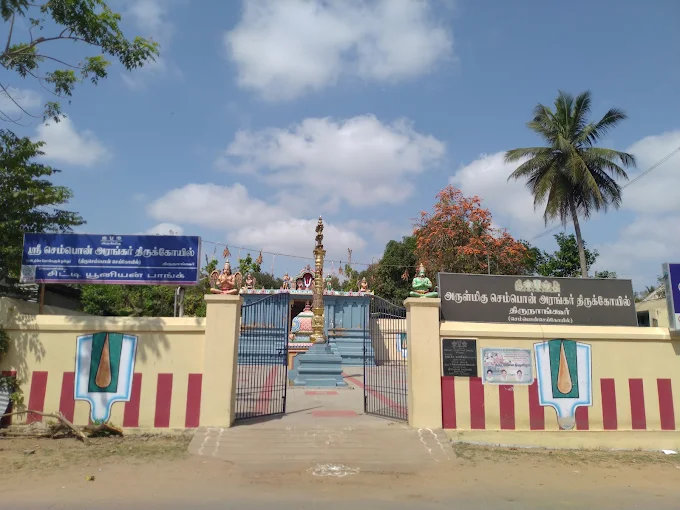
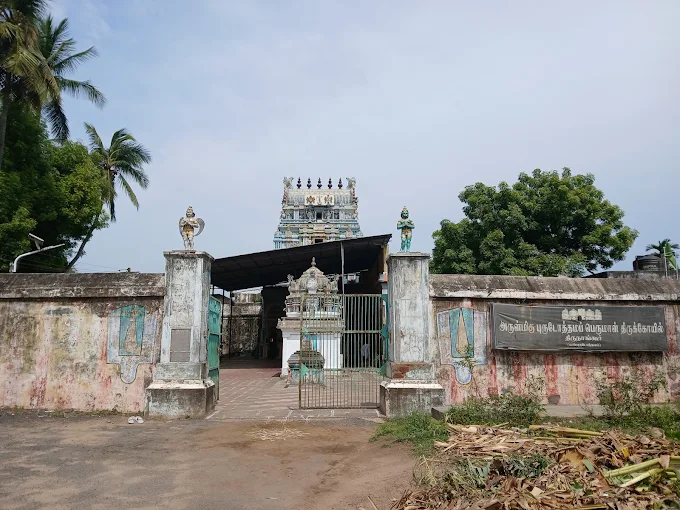
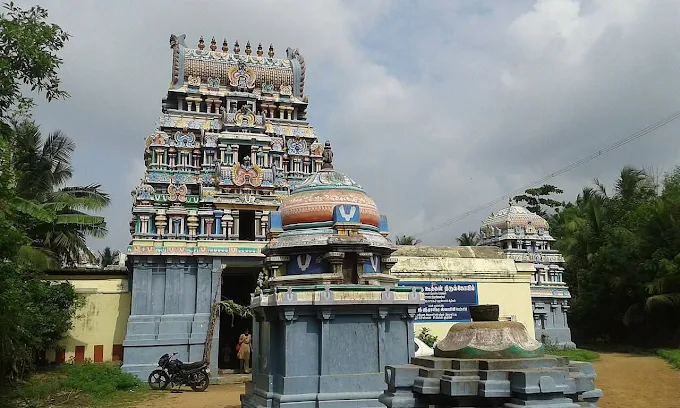
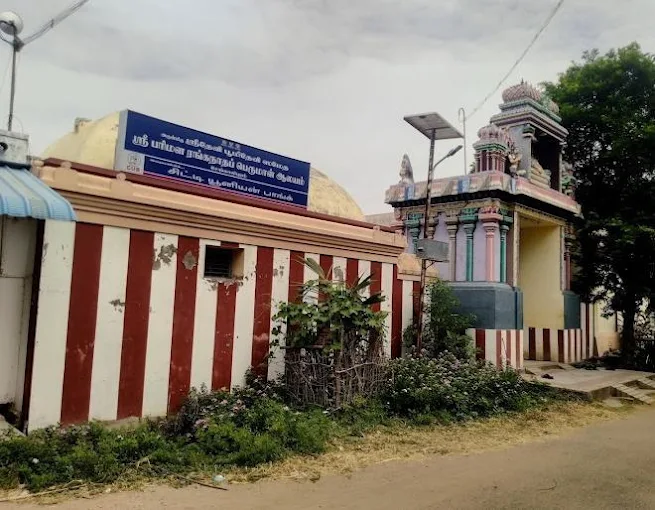
Thiru Indalur Sri Parimala Ranganatha Perumal Temple, situated in the heritage town of Mayiladuthurai, is an ancient and celebrated Vaishnavite shrine. It is counted among the 108 Divya Desams praised by the poet-saints (Alvars) and forms the vital 'Antya Rangam' (final shrine) of the venerated Pancha Ranga Kshetrams located along the sacred Cauvery River—which trace the divine course of the river from Srirangapatna (Adi Rangam), Srirangam, and Koviladi to Thiruindalur before it meets the Bay of Bengal. The presiding deity, Lord Parimala Ranganathar (also hailed as Sugandhavananathan and Maruviniya Maindhan), is enshrined in an imposing 12-foot reclining posture (Veera Sayanam) made of dark-green stone, facing east under the rectangular Veda Chakra Vimanam. The name 'Parimala' denotes divine fragrance, originating from the sacred belief that the Lord imparted aromatic purity to the Vedas after salvaging them from the demons Madhu and Kaitabha. Traditional lore records that Chandra (the Moon God, or 'Indu') underwent severe penance here to expiate the curse that caused his luster to wane; the deity and His consort, Sri Parimala Ranganayaki (revered also as Chandra Saapa Vimochana Valli and Pundarikavalli), restored his brilliance, giving the sacred ground the name 'Thiru-Indu-Alur'. In the sanctum, River Cauvery and River Ganga are depicted paying homage at the Lord's lotus feet alongside Sage Sanaka and Sage Sanatkumara. The temple is deeply revered as the primordial birthplace of the sanctity of Ekadashi fasting, immortalized by the legend of King Ambarisha. Thirumangai Alvar immortalized this sanctum in ten evocative pasurams of the Nalayira Divya Prabandham, composing passionate verses when the temple doors were temporarily closed, leading the Lord to open them and grant His divine vision.
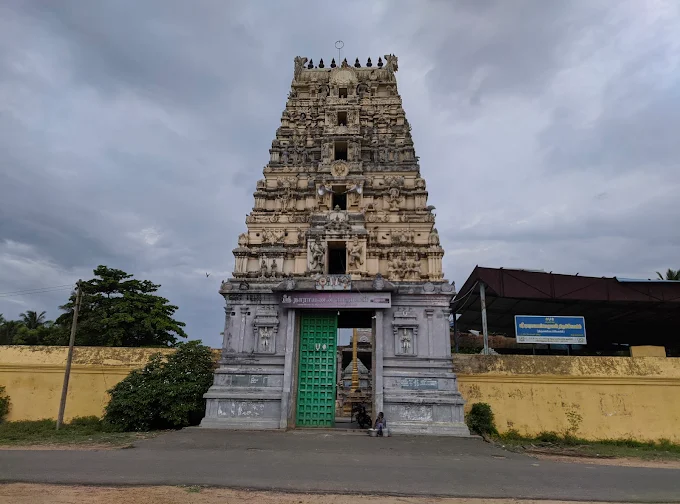
The historical origins of the Thiru Indalur Parimala Ranganatha Perumal Temple trace back over a millennium, evidenced by early Tamil literature, sacred Vaishnavite hymns, and stone epigraphs. The shrine finds its earliest recorded literary attestation in the Nalayira Divya Prabandham composed by Thirumangai Alvar during the early medieval Bhakti movement (circa 8th–9th century CE). This literary anchor proves the existence of an established center of Vishnu worship at Thiruindalur well before the surviving stone structural expansion was undertaken. Inscriptional and architectural evidence points to continuous patronage and construction phases during the rule of the Medieval Cholas (including records of grants during the periods of Vikrama Chola and Kulothunga Chola), who replaced earlier brick and timber structures with durable granite masonry. Subsequently, the temple received substantial structural additions during the Vijayanagara Empire and under the Thanjavur and Madurai Nayak rulers between the 16th and 17th centuries. Architectural elements characteristic of the Nayak style include the commanding five-tiered Rajagopuram facing east, the expansive Mukha Mandapam supported by sculpted monolithic pillars featuring Yalis and Vaishnava reliefs, and the rectangular granite adhisthana designed to encompass the massive reclining deity. The sacred temple tank, Indu Pushkarini, stands adjacent to the temple precinct. Today, the temple is protected, maintained, and administered under the statutory oversight of the Hindu Religious and Charitable Endowments (HR&CE) Department of the Government of Tamil Nadu.
According to temple tradition, worshipping Lord Parimala Ranganathar and Goddess Chandra Saapa Vimochana Valli grants relief from astrological lunar afflictions (Chandra Dosha) and mental anxiety, mirroring the legend of the Moon God regaining his radiance.
Devotees traditionally believe that commencing or observing the sacred Ekadashi Vratham at this sanctum grants the spiritual merit of completing all annual fasts, commemorating King Ambarisha's steadfast devotion.
Bathing in the sacred Indu Pushkarini and seeking darshan of the Lord in Veera Sayana posture is believed by pilgrims to absolve generational sins and bring divine grace to one's lineage.
Praying to Goddess Parimala Ranganayaki and the shrine of Santhana Gopalan within the prakaram is traditionally undertaken by couples seeking healthy childbirth and family harmony.
Sacred ceremonial bathing performed with milk, curd, honey, and sanctified herbal waters to the processional deities on special nakshatras and Ekadashi days.
Special archana performed with sacred Tulsi leaves and white flowers in honor of Parimala Ranganathar and Thayar to seek liberation from astrological planetary doshas.
Solemn chanting of the thousand divine names of Lord Vishnu (Vishnu Sahasranamam) with floral offerings at the feet of the Moolavar.
Grand ceremonial procession and riverfront theerthavari ritual conducted during the Tamil month of Aipasi on the sacred banks of the Cauvery.
No festivals available.

📍 0.97 km away

📍 1.56 km away

📍 1.88 km away

📍 2.32 km away

📍 3.90 km away

📍 3.93 km away
Stays near Thiru Indalur Parimala Ranganatha Perumal Temple

📍 Near Kurinji Andavar Temple · 254.8 km
stayStarting from ₹2,000 / night
Discover more temples you may be interested in
You may also like these temples