☰
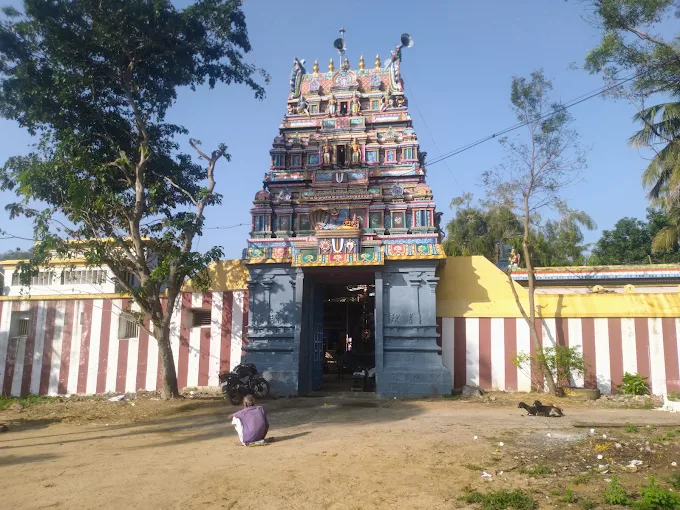
🛕 Lord Vishnu | 📍 Thiru Adhanur, Thanjavur, Tamil Nadu
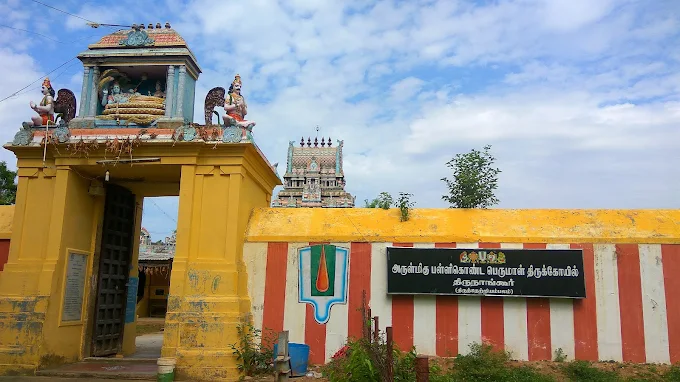
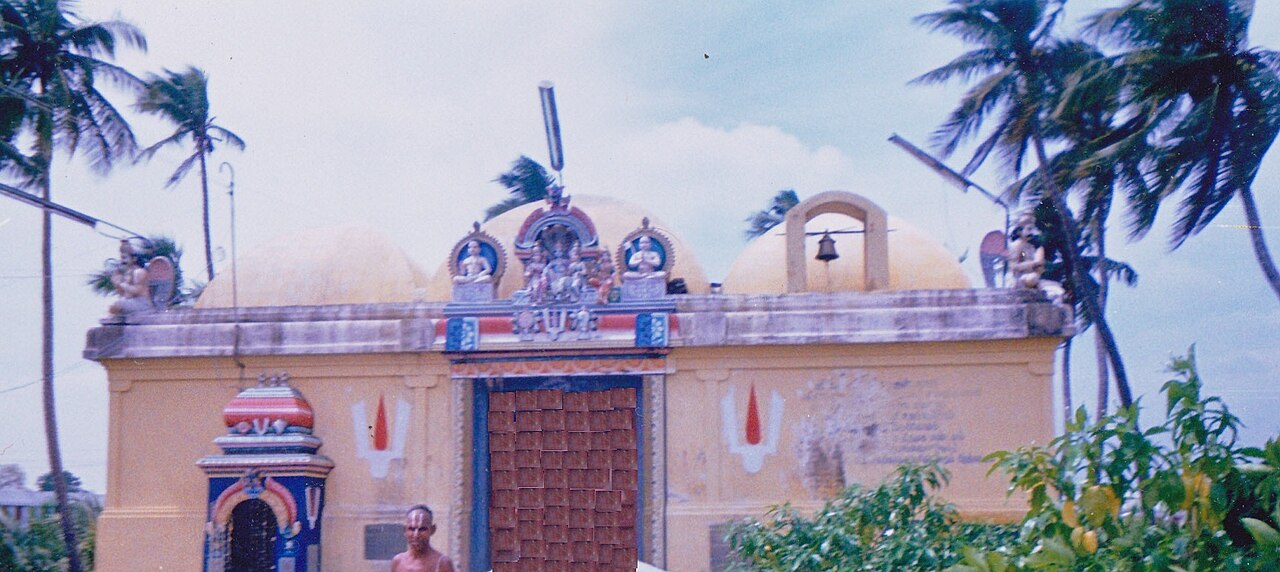
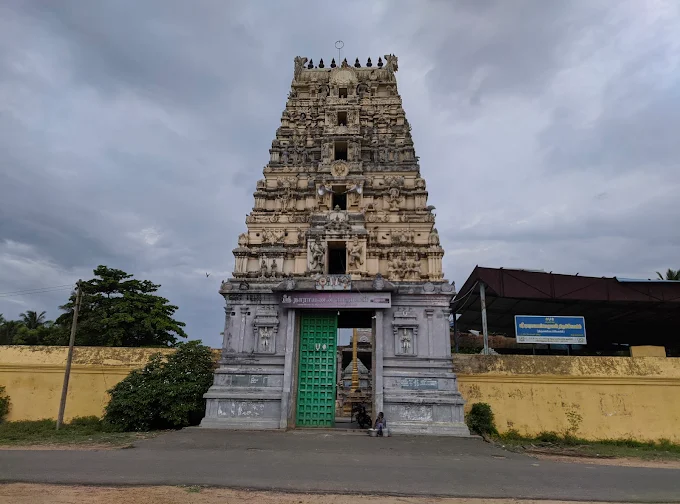
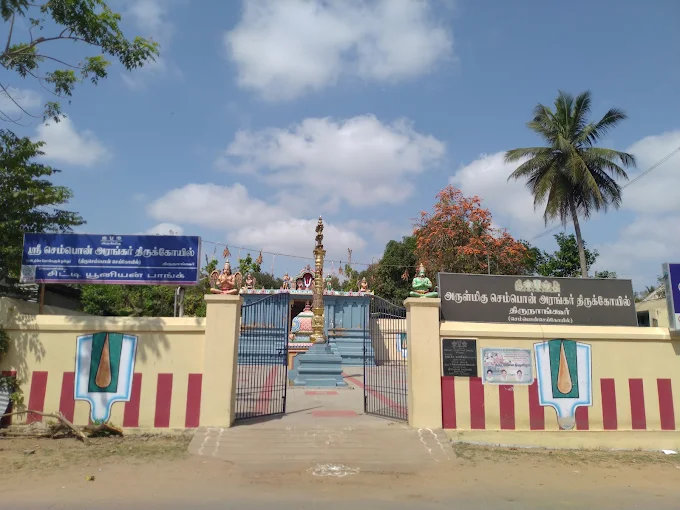
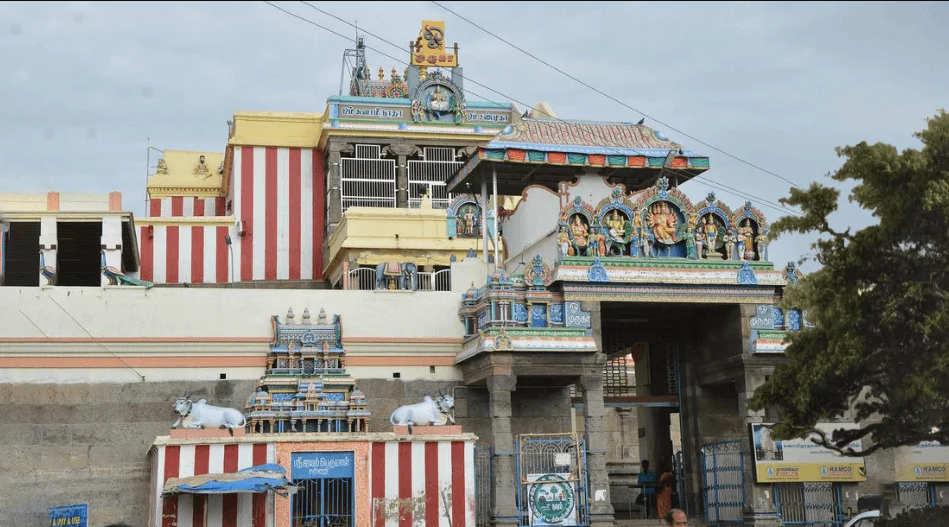
Sri Andalakkum Aiyan Perumal Temple, situated at Thiru Adhanur in the Thanjavur district of Tamil Nadu, is one of the revered 108 Divya Desams celebrated in Sri Vaishnava tradition. The temple is nested in the fertile Cauvery delta region between the Kaveri and Kollidam rivers. The presiding deity, Lord Vishnu, is venerated as 'Andalakkum Aiyan' (also known as Aandu Alakkum Ayan), resting in the majestic Bhujanga Sayanam (reclining posture upon Adisesha) facing east. His divine consort is worshipped as Sri Kamalavasini (also revered as Sri Bhargavi Thayar and Ranganayaki). The temple holds immense scriptural and iconographic distinction: uniquely, the Moolavar rests His head upon a 'marakkal' (a traditional wooden grain-measuring vessel) serving as a pillow, while His left hand holds palm leaves ('olai chuvadi') and an iron writing stylus ('ezhuthaani'). According to Vaishnavite theology, this iconography represents the Supreme Lord keeping account of every soul's deeds (karma), measuring the duration of human life, and dispensing grace and livelihood according to each individual's sincere dedication. Emerging from His navel is Lord Brahma on a lotus, while consorts Sridevi and Bhudevi offer seva at His feet. Uniquely within the sanctum, one also witnesses the idols of Kamadhenu with her calf Nandini, Sage Bhrigu, Agni Deva, and Thirumangai Azhwar carrying a sword. Another sacred feature of the temple is the presence of two 'Moksha Sthambams' (salvation pillars) in the ardhamandapam, a feature shared among Divya Desams only with the ancient Sri Ranganathaswamy Temple in Srirangam. Devotees circumambulate these twin pillars praying for liberation from karmic cycles and seeking auspicious matrimonial alliances. Furthermore, within the Chola mandala temple circuits, Thiru Adhanur is revered as a potent Guru (Brihaspati) parihara sthalam, where devotees pray to alleviate planetary afflictions and invoke wisdom and prosperity.
The history of Sri Andalakkum Aiyan Temple is an amalgamation of recorded epigraphical evidence and sacred Vaishnavite tradition. Historically, the architectural foundation of the stone temple dates back to the Medieval Chola era, attributed primarily to the reign of King Aditya Chola I and subsequent Chola monarchs. During this era, stone shrines replaced older brick structures across the Chola kingdom. The complex features classical Dravidian architectural elements, including a three-tiered Rajagopuram, a pillared ardhamandapam, and a sanctum crowned by the sacred Pranava Vimanam. Later structural expansions, mandapam additions, and stone repairs were patronized during the reigns of the Vijayanagara rulers, Thanjavur Nayaks, and local philanthropic chieftains. Epigraphical records preserved in the temple premises document perpetual lamp endowments, flower gardens (nandavanams), and provisions for the Ucchikala (midday) pooja offerings. In modern times, significant renovation and Maha Samprokshanam were performed under the auspices of the 45th Jeeyar of Sri Ahobila Mutt, Srimad Azhagiya Singar. In traditional and puranic history, the temple is chronicled as having existed prior to Srirangam and is mentioned in traditional texts as 'Adi Rangeswaram'. The sthala puranam narrates that Thirumangai Azhwar was constructing the defensive outer rampart walls of the Srirangam Ranganathaswamy Temple and ran out of funds to pay the daily wages of the stonemasons and artisans. Distressed, Azhwar was directed by the Lord to the banks of the Kollidam at Thiru Adhanur, where the Lord appeared disguised as an elderly merchant holding a measuring bowl ('marakkal'). The merchant stipulated that he would measure the sand from the riverbed as wages; remarkably, for workers who had performed honest and devoted service, the sand transformed into gold and gems, whereas for negligent and indolent workers, it remained ordinary sand. When the disgruntled workers chased the merchant, He retreated into this sanctum and revealed His true form reclining with the marakkal, stylus, and account scroll. Another sacred belief recounts that the divine cow Kamadhenu, overcome with pride for emerging before Goddess Lakshmi during the churning of the milk ocean, performed deep penance here after being humbled, giving the kshetram the name 'Aa-Than-Oor' ('Aa' meaning cow in Tamil).
According to traditional belief, worshipping the Lord with the Marakkal (measuring vessel) who provided golden wages to Thirumangai Azhwar resolves monetary distress, professional roadblocks, and heavy debts.
As one of the designated Vaishnava Navagraha parihara sthalams around Kumbakonam representing Jupiter (Guru), devotional prayers here are believed to alleviate afflictions related to Guru bhukti and planetary transits.
Devotees traditionally circumambulate the twin Thirumana / Moksha pillars located inside the ardhamandapam in even numbers to seek the Lord's grace in overcoming delayed marriage and finding suitable life partners.
Devotees believe that praying to Lord Andalakkum Aiyan holding the holy stylus (Ezhuthaani) and palm-leaf scriptures (Olai Chuvadi) confers keen intellect, memory power, and high achievements in educational pursuits.
In traditional Vaishnavite theology, circumambulating the sacred Moksha pillars and meditating upon the reclining Lord's divine feet and countenance cleanses accumulated karmas and paves the way for ultimate salvation.
Special sacred herbal and milk ablution performed on auspicious calendar days including Ekadasi, Amavasya, Purnima, and monthly star days as per Pancharatra Agama traditions.
Devotional circumambulation around the sacred twin pillars in the ardhamandapam followed by special archana to Andalakkum Aiyan for marriage blessings and salvation.
Special homam, thirumanjanam, and yellow floral archana conducted during Guru transit periods to alleviate planetary afflictions.
Annual ten-day grand festival celebrated in the Tamil month of Vaikasi (May-June) featuring special purappadu (processions) and utsavar aradhana.
No festivals available.
📍 1.22 km away
📍 2.64 km away

📍 2.90 km away

📍 3.83 km away

📍 3.96 km away

📍 4.95 km away
Stays near Thiru Adhanur Andalakkum Aiyan Perumal Temple

📍 Near Kurinji Andavar Temple · 215.5 km
stayStarting from ₹2,000 / night
Discover more temples you may be interested in
You may also like these temples