☰
🛕 Lord Vishnu | 📍 Thanjavur, Thanjavur, Tamil Nadu
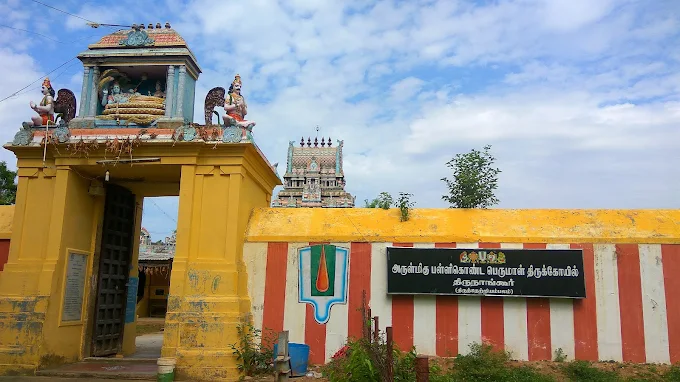
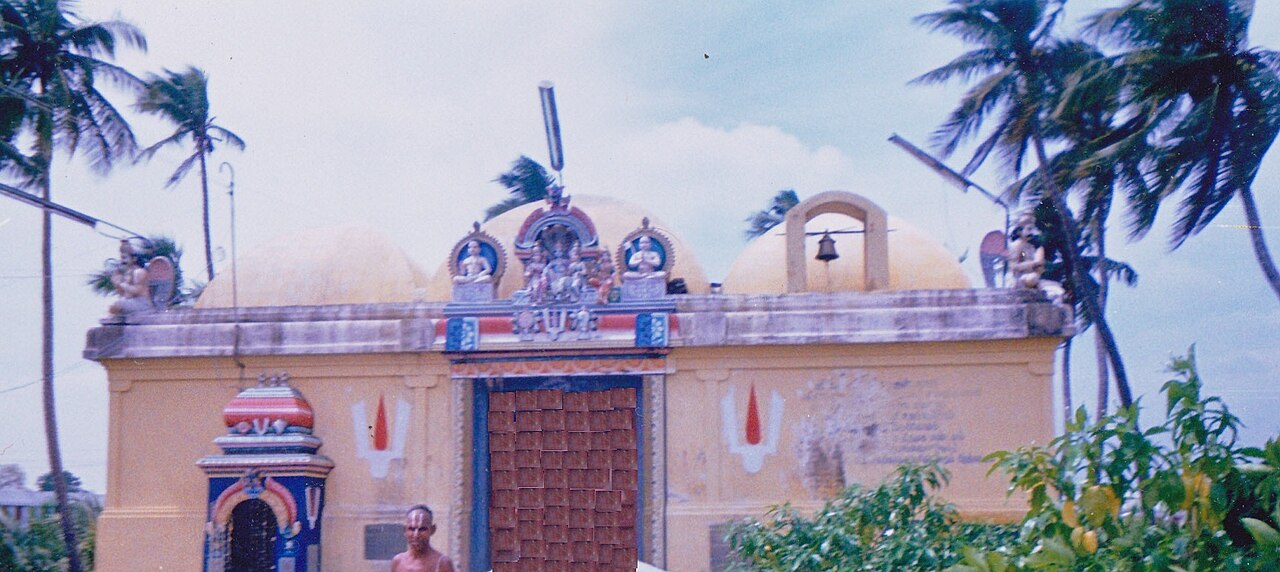
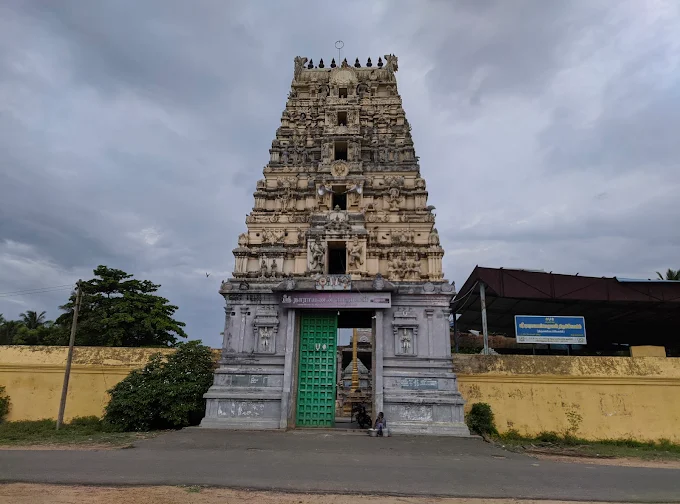
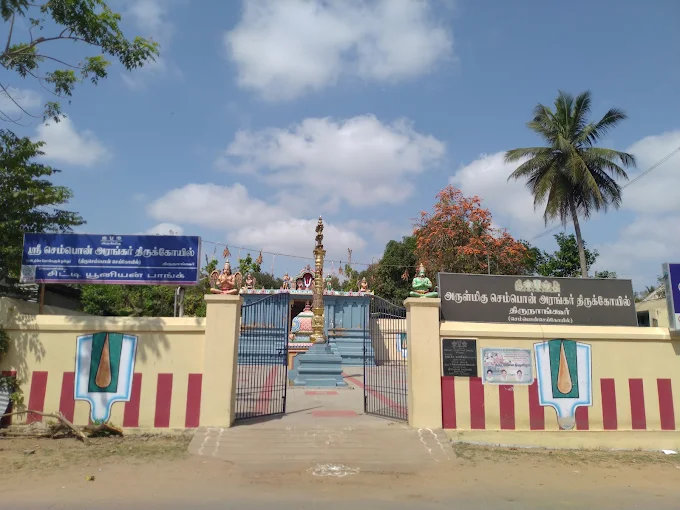
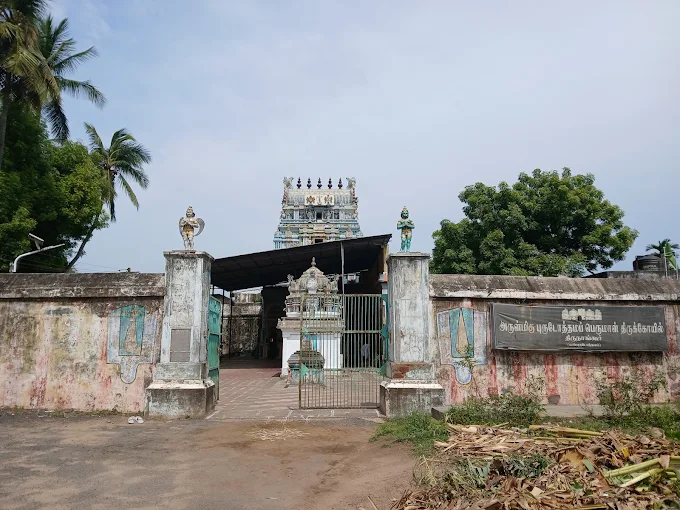
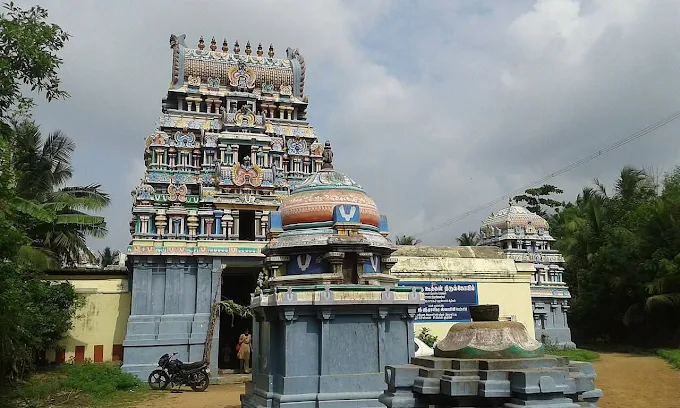
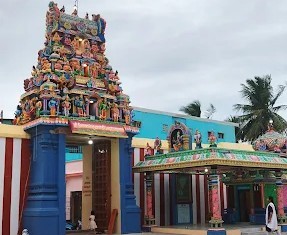
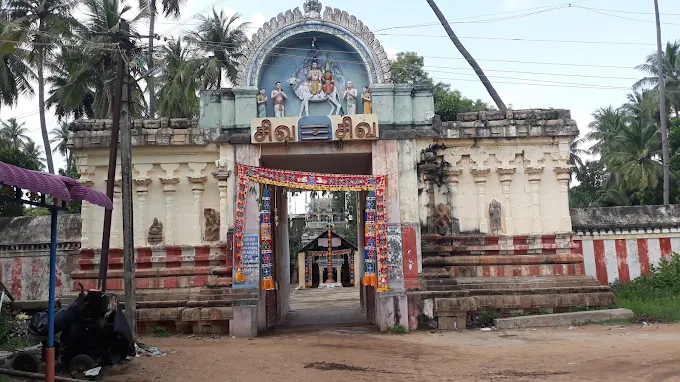
Thanjai Mamani Koil, situated on the northern banks of the sacred River Vennaaru (Vennaru) in Thanjavur, holds a unique and prestigious place among the 108 Divya Desams—the holiest shrines celebrated in Sri Vaishnavite tradition. Unlike almost every other Divya Desam where a single sanctum represents the sacred site, Thanjai Mamani Koil comprises a sacred triad of three independent shrines located within walking distance of each other: Sri Neelamega Perumal Temple, Sri Manikundra Perumal Temple, and Sri Veera Narasimha Perumal Temple (also called Singaperumal Koil or Thanjaiyali Nagar). In the Nalayira Divya Prabandham, the Azhwar saints Bhoothathazhwar and Thirumangai Azhwar glorified this holy kshetram collectively in their sacred pasurams, addressing all three abodes as one singular spiritual entity known as 'Thiruthanjai' or 'Thanjai Mamani Koil'. According to Vaishnava belief, the presiding deity Sri Neelamega Perumal is worshipped in a majestic seated posture (Iruntha Thirukkolam) flanked by Sri Devi and Bhoo Devi, with His divine consort worshipped in a separate shrine as Sri Sengamalavalli Thaayar. The temple complex is also renowned as a pivotal sanctuary for Lord Narasimha worship; within the shrines, devotees venerate five distinct manifestations of Narasimha—Veera Narasimhar, Yoga Narasimhar, Lakshmi Narasimhar, Abhaya Varadha Narasimhar, and Kambathadi Yoga Narasimhar. The temple forms an indispensable core of the grand annual Thanjavur 24 Garuda Sevai festival, during which the processional deities of all three shrines join other Vaishnava deities in an extraordinary procession through the royal streets of Thanjavur.
The origin of Thanjai Mamani Koil interweaves ancient mythological traditions recorded in the Brahmanda Purana with well-documented medieval dynastic history. According to sthala purana, Sage Parashara performed rigorous austerities on the banks of the River Vennaaru. Three powerful asuras named Thanjagan, Thandagan, and Gajamukhan—who had acquired boons of invincibility—began harassing the hermitage and disrupting the cosmic order. In response to Parashara's prayers, Lord Vishnu intervened in multifaceted manifestations: He assumed the form of Narasimha to vanquish Gajamukhan, the form of Varaha to pursue and slay Thandagan who fled into the netherworld (Patala), and confronted Thanjagan with the Sudarshana Discus. Upon facing the Lord, Thanjagan realized his transgression, repented, and surrendered; as a parting benediction, the Lord granted his dying plea that the locality bear his name, which evolved historically from 'Thanjagan-ur' into 'Thanjavur'. Historically, the foundations of these temples date back to early medieval Tamil antiquity, flourishing when Thanjavur was elevated to the imperial capital of the Medieval Cholas under Vijayalaya Chola and Rajaraja I in the 9th to 11th centuries CE. Epigraphical studies demonstrate that the temples received royal patronage, land endowments, and structural renovations successively from the Chola emperors, the Vijayanagara Empire, and the Nayak rulers of Thanjavur. Substantial expansion and maintenance took place under the Maratha rulers of Thanjavur during the 18th and 19th centuries; epigraphs in the Manikundram Perumal shrine particularly record extensive royal benefactions and endowments made by the Maratha kings. Today, the temples are governed under the institutional framework of the Thanjavur Palace Devasthanam, presided over by hereditary trustees from the Maratha royal lineage, working in coordination with the Hindu Religious and Charitable Endowments (HR&CE) Department of the Government of Tamil Nadu.
Devotees traditionally worship Lord Veera Narasimha and the five Narasimha forms here to seek protection from perils, overcome inner fears, and neutralize negative energies or perceived planetary afflictions.
Worship of Sri Neelamega Perumal alongside Sri Sengamalavalli Thaayar is believed by devotees to bestow auspicious economic well-being, trade success, and deliverance from debts.
Due to the sacred presence of Sri Lakshmi Hayagriva and the sacred memory of Sage Parashara's penance, students and spiritual seekers regularly pray here for concentration, academic excellence, and clarity of mind.
According to the sthala purana, even the demon Thanjagan received absolution upon heartfelt repentance; hence, bathing in the sacred theertham and praying before the triad is traditionally held to cleanse karmic blemishes.
Special holy herbal ablution (thirumanjanam) performed on every monthly Swathi star day dedicated to Lord Veera Narasimhar with sacred herbs, milk, and curd.
Special abhishekam and lotus flower alankaram conducted on auspicious Fridays for Sri Sengamalavalli, Sri Ambujavalli, and Sri Thanjai Nayagi Thaayars.
An annual ceremonial application of consecrated herbal oil (thailakkappu) performed on Aadi Ekadashi for the primary stone moolavar deities across the three shrines.
The monumental annual grand procession during Vaikasi where the processional deities (utsavamoorthies) mount Garuda Vahana and assemble along the Raja streets of Thanjavur.
No festivals available.

📍 3.78 km away
📍 5.59 km away

📍 5.71 km away
📍 6.45 km away

📍 7.85 km away

📍 7.98 km away
Stays near Thanjai Mamani Koil (Neelamega Perumal Temple)

📍 Near Kurinji Andavar Temple · 191.2 km
stayStarting from ₹2,000 / night
Discover more temples you may be interested in
You may also like these temples