☰
🛕 Lord Vishnu | 📍 Azhagar Kovil, Alagar Hills, Madurai, Tamil Nadu
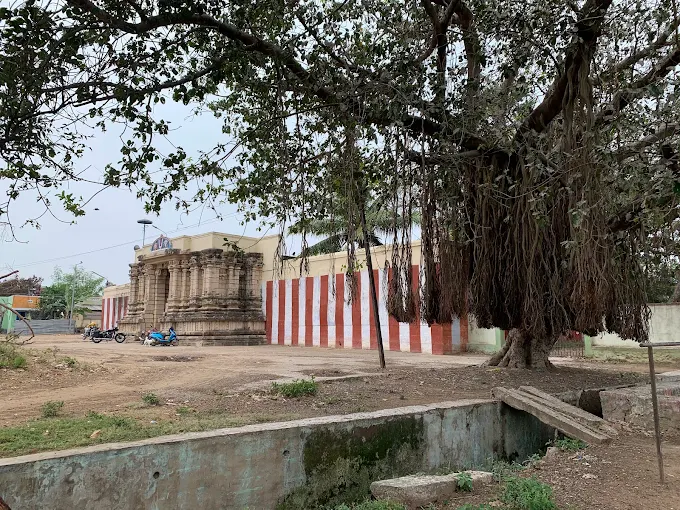
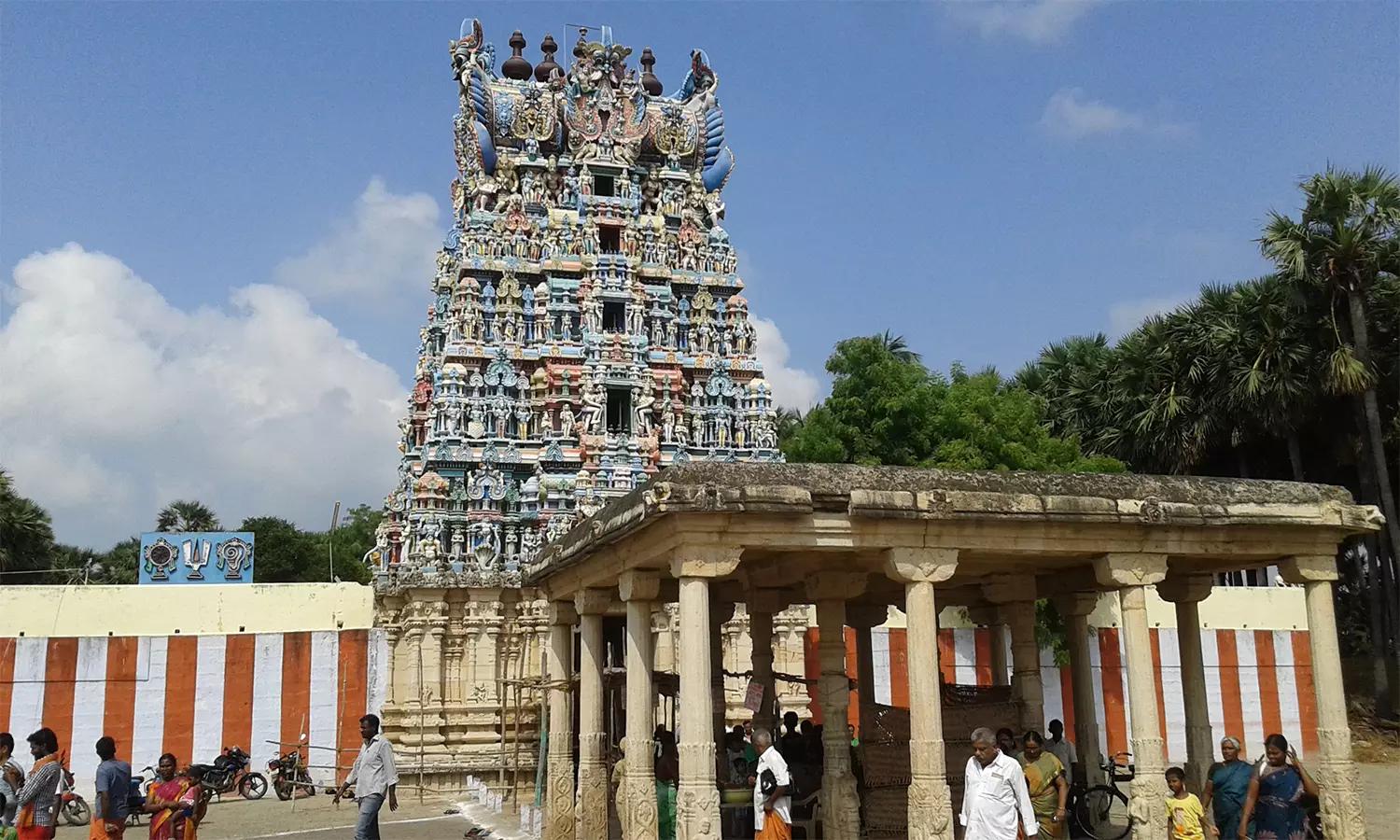
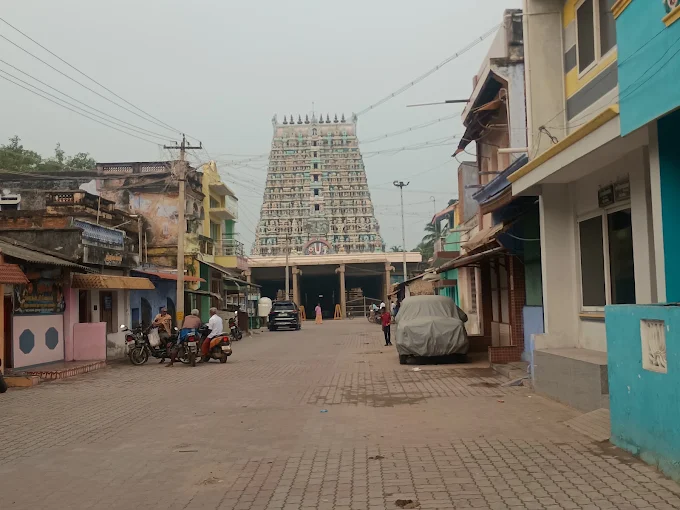
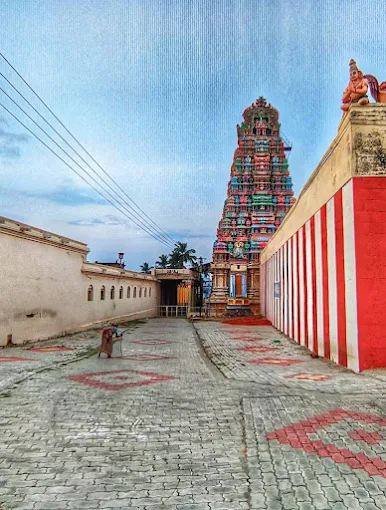
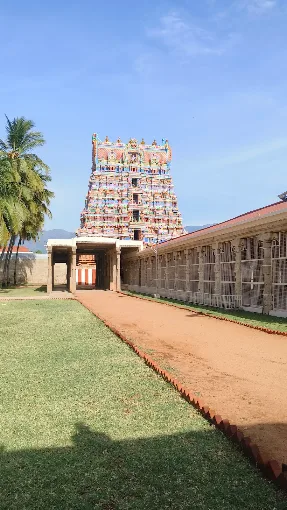
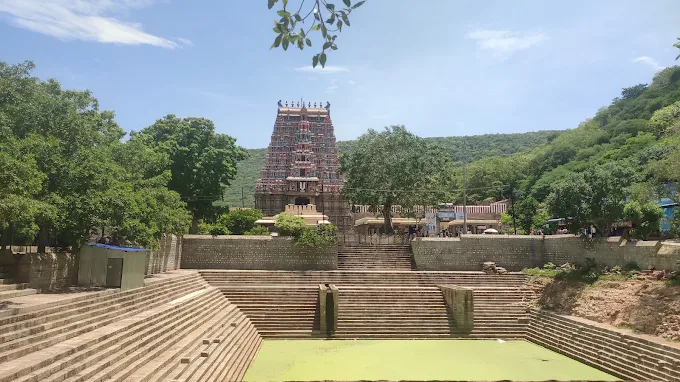
Thirumaliruncholai, popularly celebrated as Sri Kallazhagar Temple or Alagar Kovil, is one of the most ancient and sacred Vaishnavite shrines among the 108 Divya Desams. Nestled at the foothills of the verdant Alagar Hills (Solaimalai), approximately 21 km northeast of Madurai, Tamil Nadu, the temple is dedicated to Lord Vishnu worshipped as Sundararaja Perumal (lovingly addressed in Tamil as Kallazhagar or 'the Handsome One') along with His consort Sundaravalli Thayar. The shrine holds preeminent literary and cultural importance; it is extensively praised in Sangam Tamil poetry—including the Paripatal, Akananuru, and Silappathikaram—and celebrated in 128 pasurams of the Nalayira Divya Prabandham composed by six Alvars: Periyalvar, Andal, Peyalvar, Bhoothathalvar, Nammalvar, and Thirumangai Alvar. Andal envisioned offering one hundred pots of butter and akkaravadisal to Azhagar, a vow later fulfilled on her behalf by Sri Ramanuja. The temple is also famous for its synthesis of classic Vedic Vaishnavite worship and regional Dravidian folk traditions, exemplified by the revered guardian deity shrine of Padinettam Padi Karuppasamy (the Lord of the Eighteen Steps) at the temple's magnificent eastern entrance. The shrine is the cultural anchor of the world-renowned Madurai Chithirai Festival, when Lord Kallazhagar journeys on His golden horse vahana to enter the sacred Vaigai river.
The recorded history of Thirumaliruncholai spans more than two millennia, evidenced through ancient Tamil literature, epigraphical inscriptions, and architectural phases. The earliest literary references appear in the Sangam epoch (circa 3rd century BCE to 3rd century CE), where the hill is glorified as Tirumalirunkundram and Tirumalirunsolai. Jain caverns with Brahmi inscriptions and rock-cut beds from the 2nd–1st century BCE situated around the Alagar Hills confirm the hill's ancient sanctity and heritage. The stone architectural expansion of the temple commenced under the early and medieval Pandya monarchs. Inscriptions spanning from the 8th to the 16th centuries document sustained imperial patronages by the Early Pandyas, Imperial Cholas, Later Pandyas, Hoysalas, and the Vijayanagara emperors. In the 16th and 17th centuries, the Madurai Nayak rulers, especially Thirumalai Nayak (reigned 1623–1659 CE), made monumental contributions. King Thirumalai Nayak strategically merged the Shaivite Meenakshi Thirukalyanam festival of Madurai with the Vaishnavite Chithirai festival of Kallazhagar, unifying both traditions into an unparalleled regional celebration. He also erected magnificent sculpted mandapams, including the Vasantha Mandapam and Thennur Mandapam on the Vaigai bank. The temple has a fortress-like enclosure known as the Fort of Azhagar (Azhagar Kottai), surrounded by massive granite ramparts constructed during periods of medieval warfare to safeguard the sacred deities and treasures. According to temple tradition, Sage Suthapas (Manduka Maharishi) was relieved of Sage Durvasa's curse by Lord Kallazhagar at the Vaigai river, a divine past-time reenacted annually during the Chithirai festival.
According to sacred temple sthala purana, Lord Kallazhagar liberated Sage Suthapas (Manduka Maharishi) from a severe curse. Devotees believe praying here dissolves long-standing negative karma, ancestral curses, and spiritual afflictions.
Lord Kallazhagar is revered as the divine elder brother of Goddess Meenakshi and consort of Sri Sundaravalli Thayar. Devotional custom holds that sincere prayers at this shrine help eliminate marital delays and bless couples with harmony.
Worshipping the guardian deity Sri 18 Padi Karuppasamy at the temple's threshold is traditionally believed to protect devotees from deceit, enemies, psychic fears, and legal injustices.
A traditional holy dip in Noopura Gangai (Silambaru), the sacred perennial mountain spring flowing uphill, is believed in Vaishnavite tradition to bestow bodily wellness and soul purification.
The world-famous signature temple offering: a thick, aromatic, golden-crisp dosa prepared from whole black gram, raw rice, pepper, cumin, dry ginger, and asafoetida fried in pure cow ghee and offered to Sundararaja Perumal.
A devotional folk offering of sacred sandal paste, lemons, and massive jasmine garlands to the powerful 18 Padi Karuppanna Swami installed at the locked golden-studded temple gateway.
Special ceremonial ablution performed for processional deities using the pristine waters brought down from the sacred mountain spring of Noopura Gangai.
Special festive procession of Lord Kallazhagar mounted upon the majestic golden Garuda vahana or ornate palanquin during monthly auspicious asterisms and festival occasions.
No festivals available.
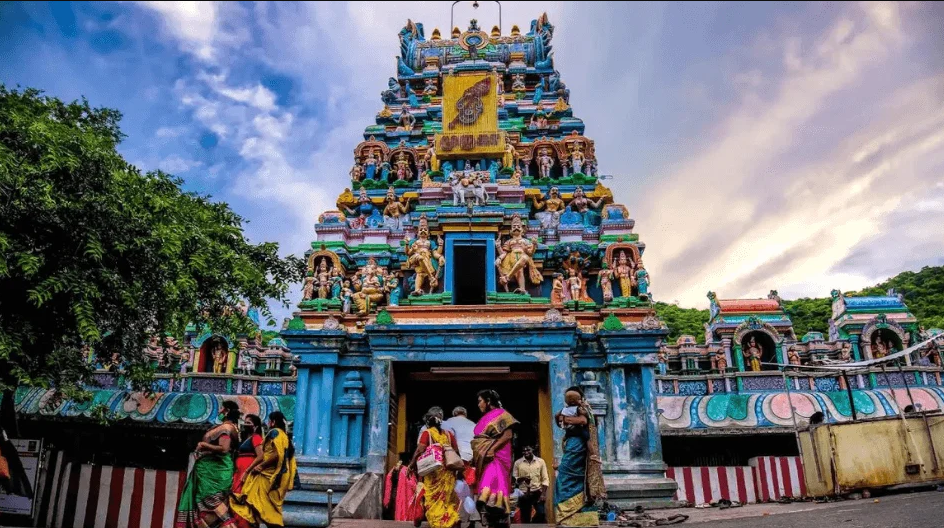
📍 2.45 km away
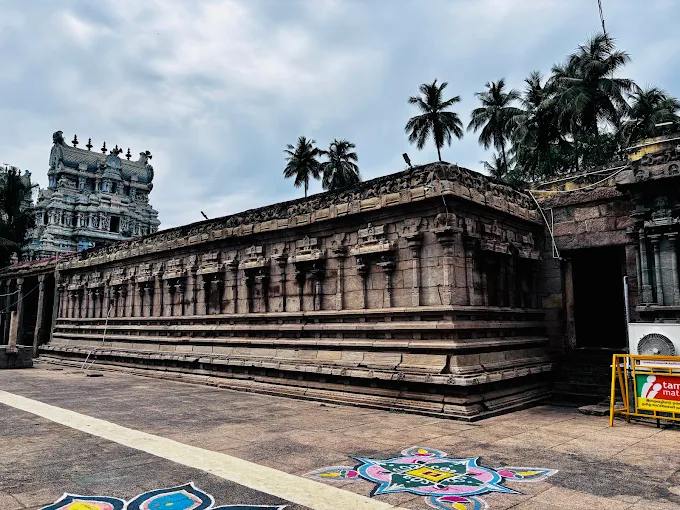
📍 13.79 km away
📍 18.85 km away
📍 20.08 km away
📍 20.90 km away
📍 26.10 km away
Stays near Thirumaliruncholai Kallazhagar Temple

📍 Near Kurinji Andavar Temple · 81.3 km
stayStarting from ₹2,000 / night
Discover more temples you may be interested in
You may also like these temples