☰
🛕 Lord Vishnu | 📍 Madurai, Madurai, Tamil Nadu
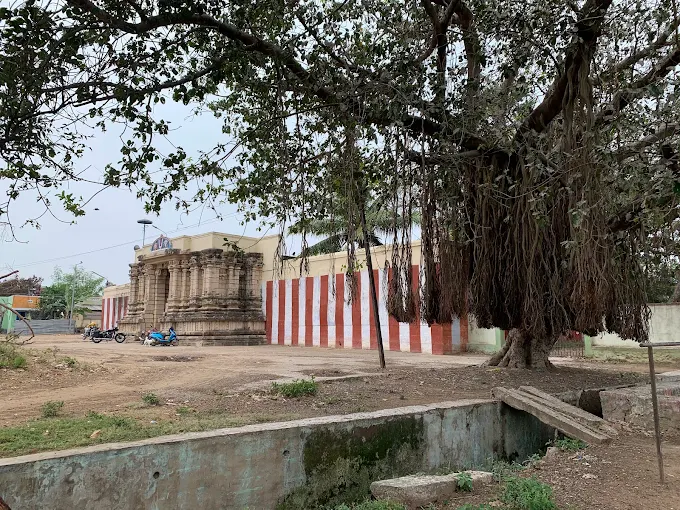
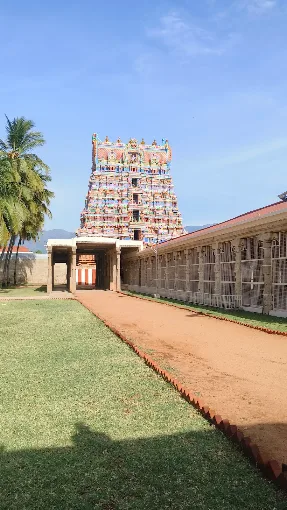
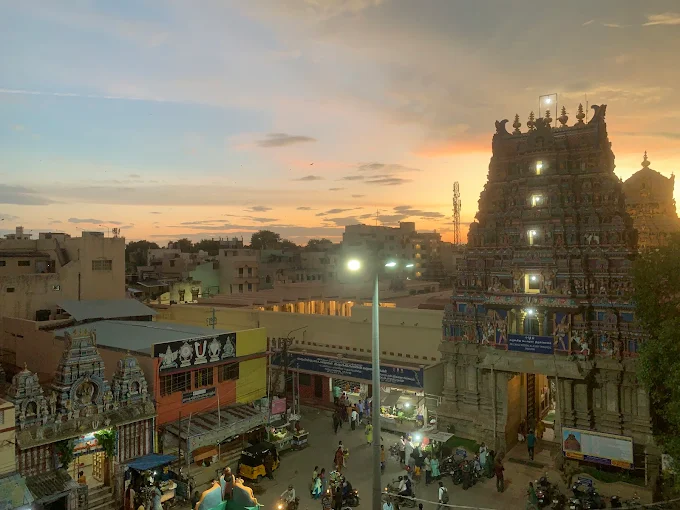
Arulmigu Koodal Azhagar Temple, located in the heart of Madurai, Tamil Nadu, is one of the celebrated 108 Divya Desams (sacred Vaishnavite shrines) praised in the Naalayira Divya Prabandham by Alvar saints including Periyalwar, Tirumangai Alvar, and Thirumazhisai Alvar. The presiding deity is worshipped as Sri Koodal Azhagar (also known as Sri Vyooga Sundararajan), meaning 'The Beautiful Lord of Koodal', accompanied by His divine consort Goddess Lakshmi venerated here as Sri Mathuravalli Thayar (also called Vagulavalli and Maragathavalli). The hallmark architectural and theological wonder of the temple is its rare three-tiered Ashtanga Vimanam (eight-faceted sanctum tower), within which Lord Vishnu is enshrined simultaneously in three classic cosmic postures across three distinct vertical levels: seated in majestic yogic composure (Veetrirundha Thirukkolam) on the ground floor as Koodal Azhagar flanked by Sridevi and Bhudevi; reclining in yogic sleep (Sayana Thirukkolam / Kidantha Kolam) on the serpent Adisesha as Andhara Vaanathu Empiraan / Sri Ranganatha on the first floor; and standing upright (Nindra Thirukkolam) as Sri Surya Narayanan on the top floor. In Sri Vaishnava devotional history, the temple holds supreme status as the sacred birthplace of 'Thirupallandu', the revered foundational hymn of the Naalayira Divya Prabandham. Traditional hagiography recounts that when Vishnuchitta successfully defended the supremacy of Sriman Narayana in the royal court of the Pandya King Vallabhadeva, the Lord appeared in the sky mounted on Garuda to bless His devotee. Overcome with tender concern that the evil eye of the mundane world might harm the Lord's celestial beauty, Vishnuchitta spontaneously sang the benedictory prayer 'Pallandu Pallandu Pallayirathandu', earning the divine title 'Periyalwar'. Uniquely for a Vaishnavite sanctuary, the complex also houses a separate consecrated shrine for the Navagrahas (nine celestial planets), reflecting cultural syncretism.
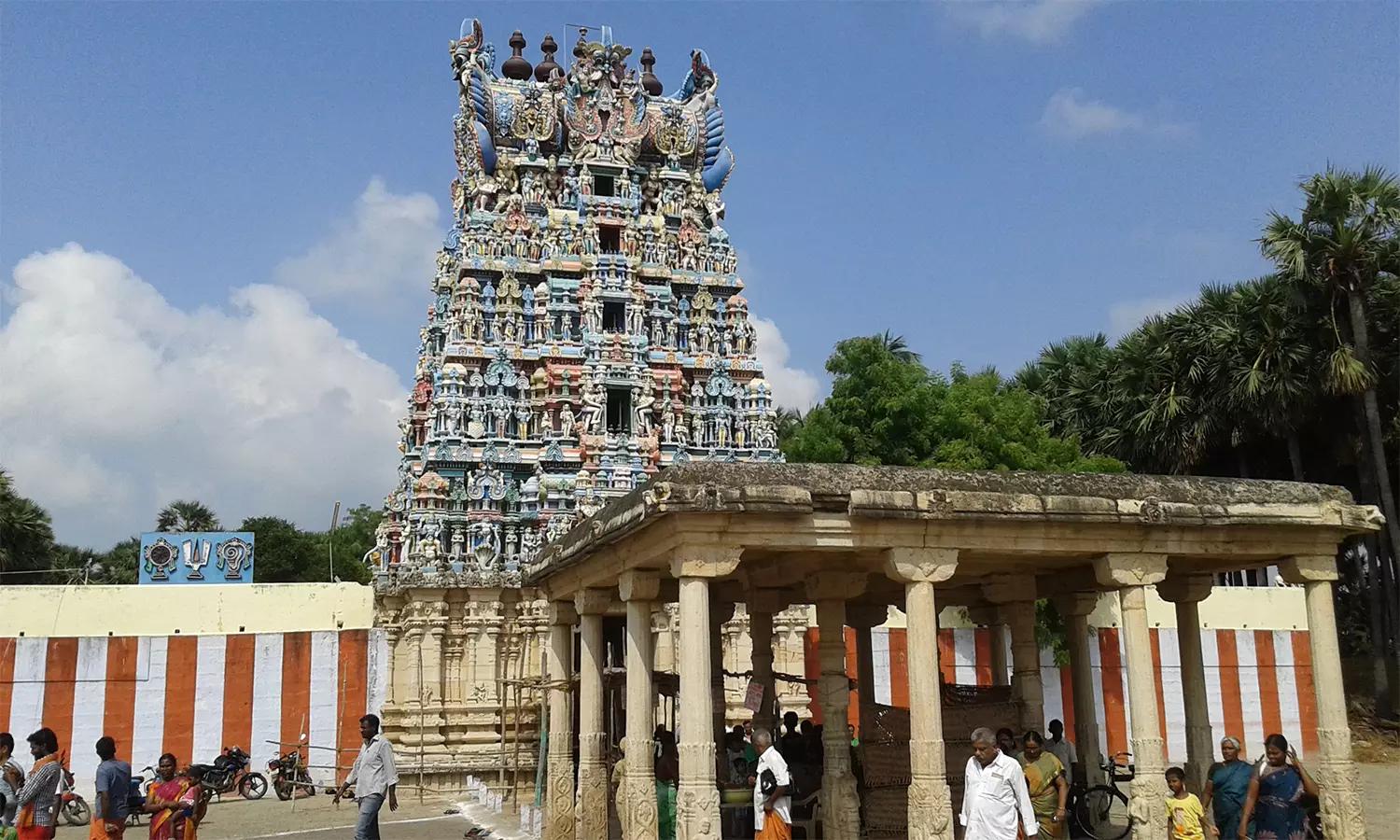
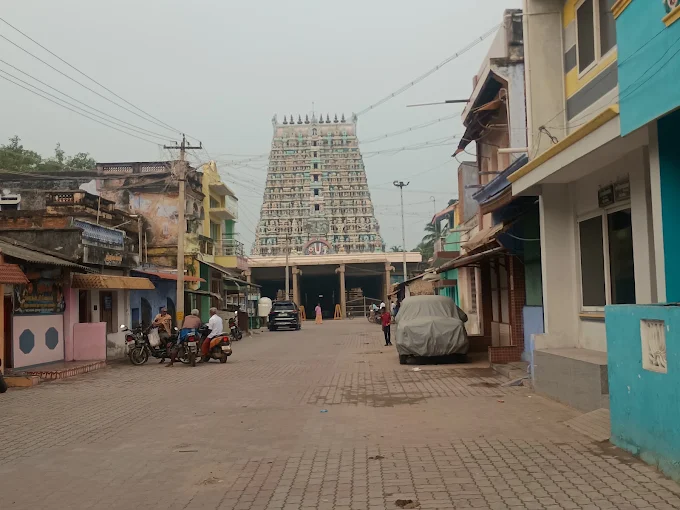
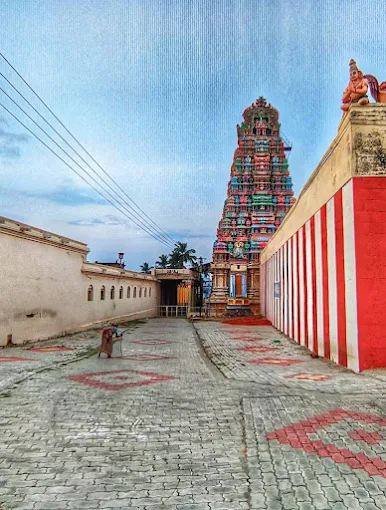
The history of the Koodal Azhagar Temple is interwoven with the antiquity of Madurai itself, anciently known in classical Tamil literature as 'Koodal', signifying a sacred congregation of scholars, poets, and celestial beings. References to the deity and the shrine can be traced in Sangam literature dating back to the early centuries of the Common Era, including works such as the Paripadal, Silappatikaram, and Maduraikkanchi authored by Mangudi Marudanar. The Maduraikkanchi specifically chronicles the elaborate 'Avani Onam' festival celebrated in honour of Lord Koodal Azhagar across seven days by the early Pandya kings. Historically, the architectural foundation of the temple is credited to the Early Pandya dynasty, who built the primary sanctum and the monumental granite base. Over the centuries, successive dynasties contributed to its preservation and architectural enlargement. During the reign of the Vijayanagara Empire and the subsequent Madurai Nayak dynasty in the 16th and 17th centuries, extensive expansions were undertaken, including the erection of pillared mandapams adorned with intricate Yali sculptures, artistic relief carvings depicting scenes from the Ramayana and Mahabharata, stone lattice windows, and the iconic five-tiered Rajagopuram at the temple entrance. Epigraphical records attest to numerous royal endowments, land grants, and jewel dedications made by Pandya and Nayak monarchs. Today, the ancient temple is preserved and administered by the Hindu Religious and Charitable Endowments (HR&CE) Department of the Government of Tamil Nadu under the Thenkalai tradition of Sri Vaishnavism.
According to local tradition, worshipping at the rare Navagraha shrine inside this Vaishnavite sanctum, along with Lord Surya Narayana on the upper tier, is devoutly believed to mitigate planetary afflictions and astrological doshas.
Devotees offer prayers to Mathuravalli Thayar and Koodal Azhagar with the belief that their grace resolves domestic discord, facilitates harmonious marriages, and clears life obstacles.
Inspired by the legend of Periyalwar receiving divine darshan and spontaneous wisdom here, worshippers pray for mental tranquillity, wisdom, and spiritual protection against adversities.
Scriptures and Vaishnavite tradition maintain that beholding the Lord in all three cosmic postures (seated, reclining, and standing) in a single shrine cleanses past sins and bestows auspicious merit leading towards spiritual liberation.
A specialized darshan route taking devotees up stone steps to the first and second tiers of the vimanam to worship the reclining and standing forms of the Lord; ticket charges are nominal and collected at the counter as determined by temple administration.
Personalized ritual offering chanted with the divine names of Lord Koodal Azhagar or Sri Mathuravalli Thayar on behalf of individual devotees and their families.
Ceremonial holy bath performed for the utsava murthis using sanctified substances such as milk, honey, sandalwood, and herbal waters on specific nakshatra and festival days.
Annual 14-day grand festival occurring during the Tamil month of Vaikasi, highlighted by colourful processional vahana sevas and the ceremonial car festival.
No festivals available.
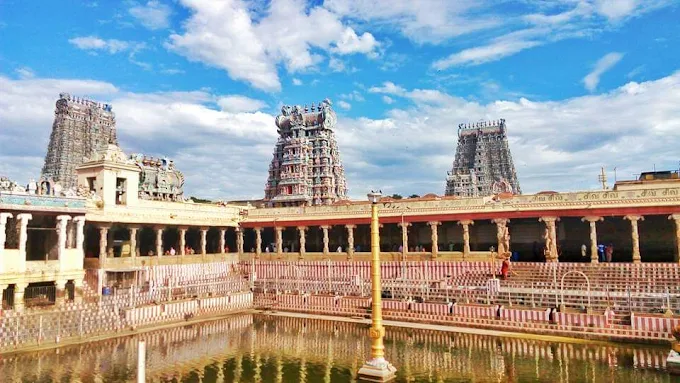
📍 0.85 km away
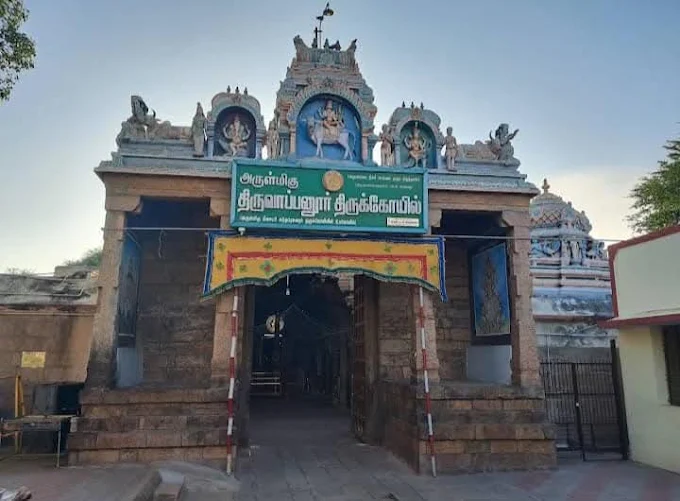
📍 2.04 km away
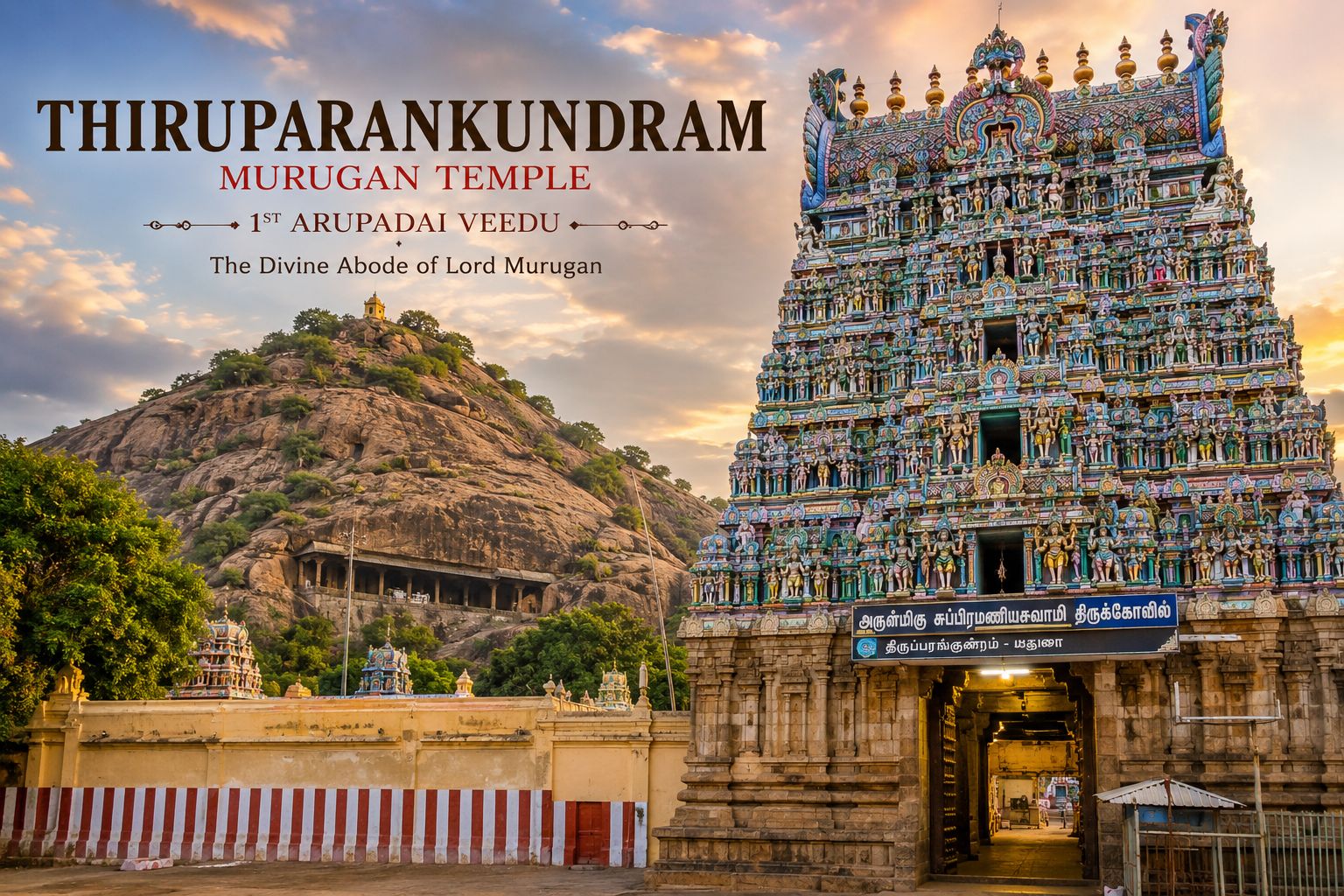
📍 5.99 km away
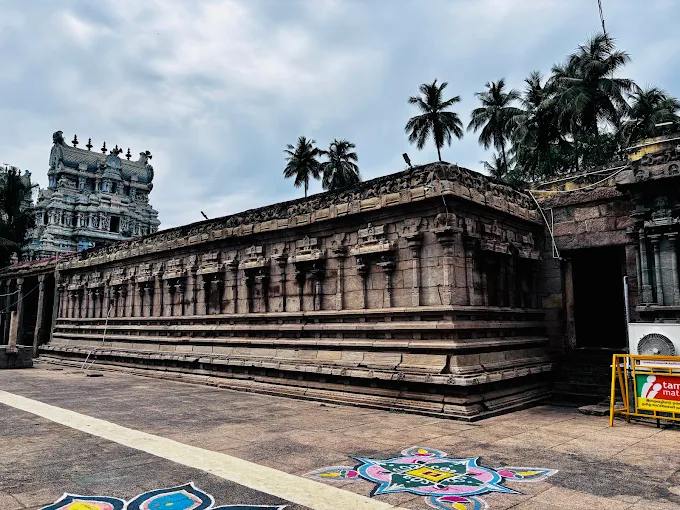
📍 11.02 km away
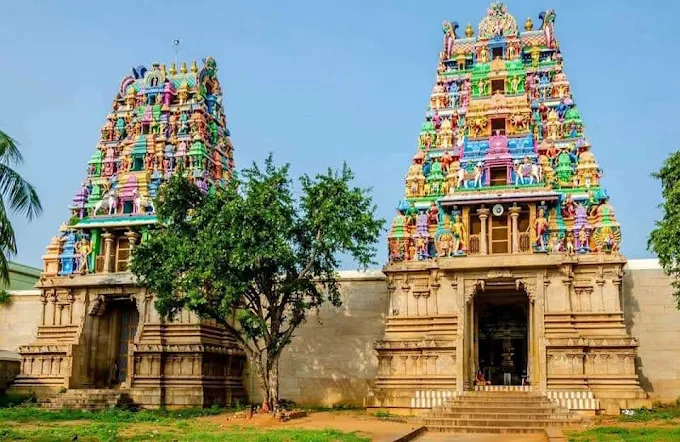
📍 16.36 km away
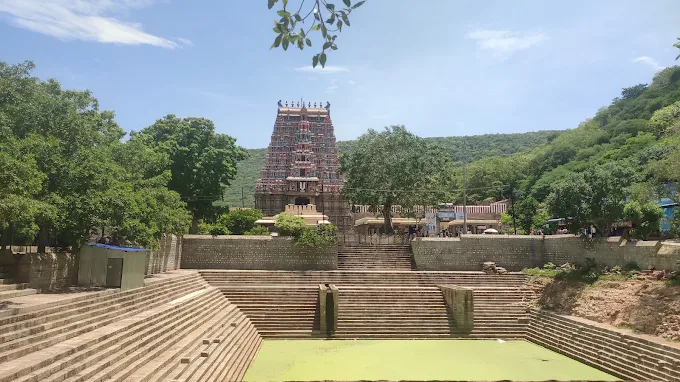
📍 20.90 km away
Stays near Madurai Koodal Azhagar Temple

📍 Near Kurinji Andavar Temple · 77.3 km
stayStarting from ₹2,000 / night
Discover more temples you may be interested in
You may also like these temples